A penguin-shaped kids swivel chair sells for $48.90 on Target’s site. At a specialty sensory retailer, the elephant version with a 220 lb rating runs $62.99 (Sensory Therapy Place, 2026). Across tracked Amazon US listings, the same category spans $39.62 to $107.15, with an average of $62.63 (Flapen, 2025). And then there is the Magis Spun, a rotational-molded designer chair, at $1,240 (Design Within Reach, 2026).
Same toy family. Same core promise: a seat that rotates under a child. The spread between the cheapest and the most expensive is more than thirty times, and most of it is invisible from a product photo.
One clarification before the numbers: “spinning chair” also gets used for office desk chairs and hair salon chairs. This article is about the kids’ version, the sensory spinning chair that parents buy for playrooms, therapy rooms, and sensory-seeking children. If you came here for a desk chair, the price logic below will still look familiar, but the products are different.
Spinning Chair Price: What Each Tier Buys You
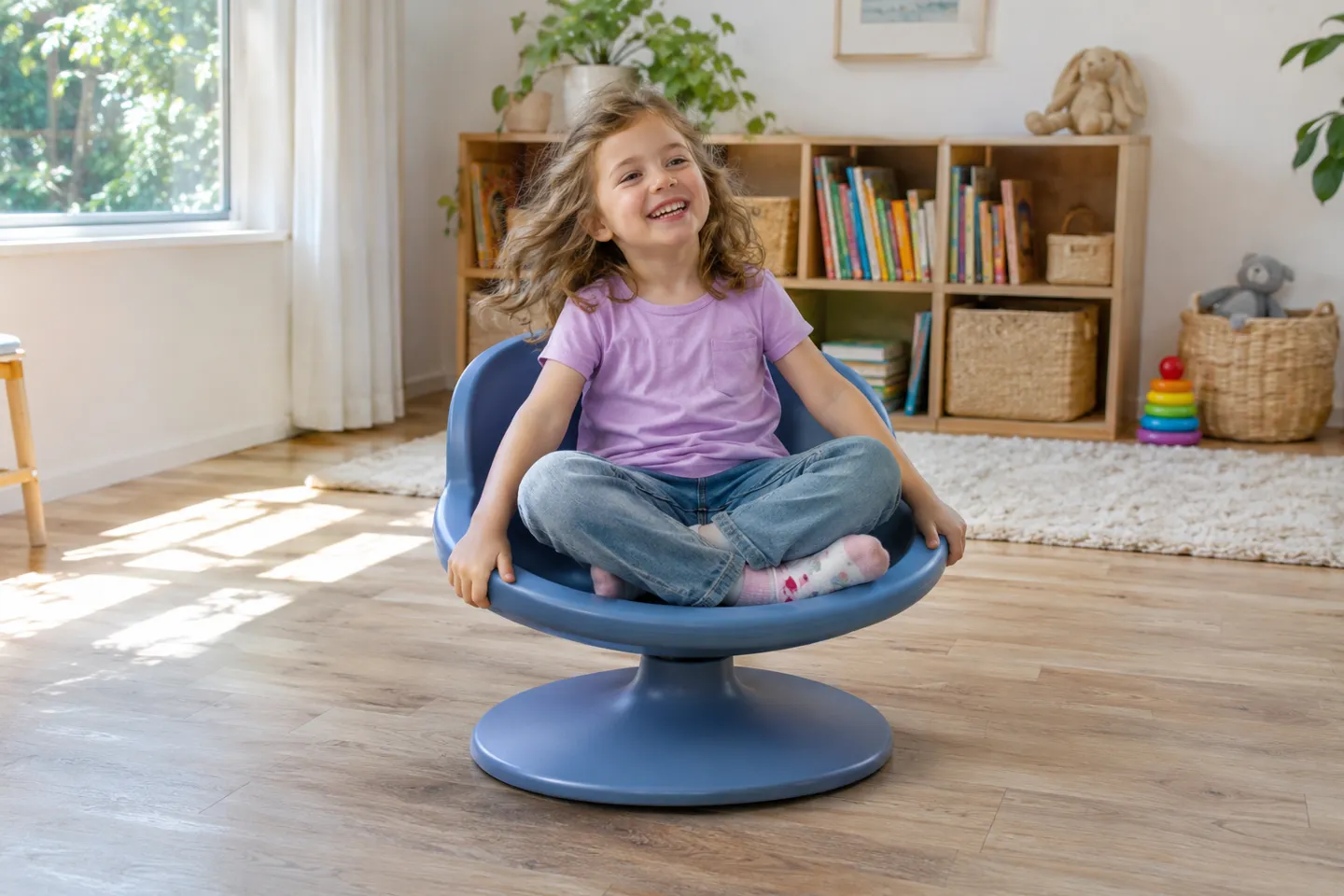
A spinning chair is a seat mounted on a rotating base, built so a child can spin safely without tipping. Pediatric therapists group it under vestibular play: some children actively seek intense spinning because their vestibular system is under-reactive and they are trying to stimulate it (Autism Research Institute, 2022). That is why this chair shows up in autism and ADHD households far more often than in typical toy aisles, and why occupational therapy clinics stock them too.
Where the price lands depends on which tier you shop. Right now the market splits into four clear bands.
What Each Price Tier Buys You
| Tier | Typical Price | Where You Find It | What You Get |
|---|---|---|---|
| Basic toy tier | Under $40 | Big-box retailers and marketplaces | Simple sit-and-spin style seats, lighter panels, toddler sizing |
| Mainstream sensory tier | $40-60 | Target, Walmart, Amazon listings | Animal-shape swivel chairs, 200-220 lb static ratings, cushioned seats |
| Specialty sensory tier | $60-110 | Sensory specialty stores | Metal bases, thicker panels, safety handles, therapy-room builds |
| Designer tier | $676-1,240 | Design retailers | Sculptural rotational-molded pieces, furniture-grade materials, no therapy features |
The mainstream tier is where most families land, and it is the tier sellers on Amazon fight over. Prices inside it are tightly packed. When a category averages $62.63 across dozens of listings, a $15 difference between two chairs is not random, it is a decision about materials.
A parent in an autism parenting forum described the realistic ceiling well: she bought one for her 3.5-year-old and noted she “managed to snag one for less than $100,” which matched what most families in that thread ended up paying (Reddit, r/Autism_Parenting, 2025).
So the map is simple. Under $40 buys a toy. Forty to sixty dollars buys the standard sensory chair. Sixty to one hundred ten buys structure. Four figures buys furniture. The hard question is the one retailers never answer on the listing page: why do two chairs that look identical sit $30 apart?
What the Extra Money Actually Buys
Open two listings side by side and the photos look the same: round base, shaped backrest, cheerful color. The difference lives in parts you cannot photograph. Four of them decide most of the price gap.
The Swivel Base: Where Stability Is Won or Lost
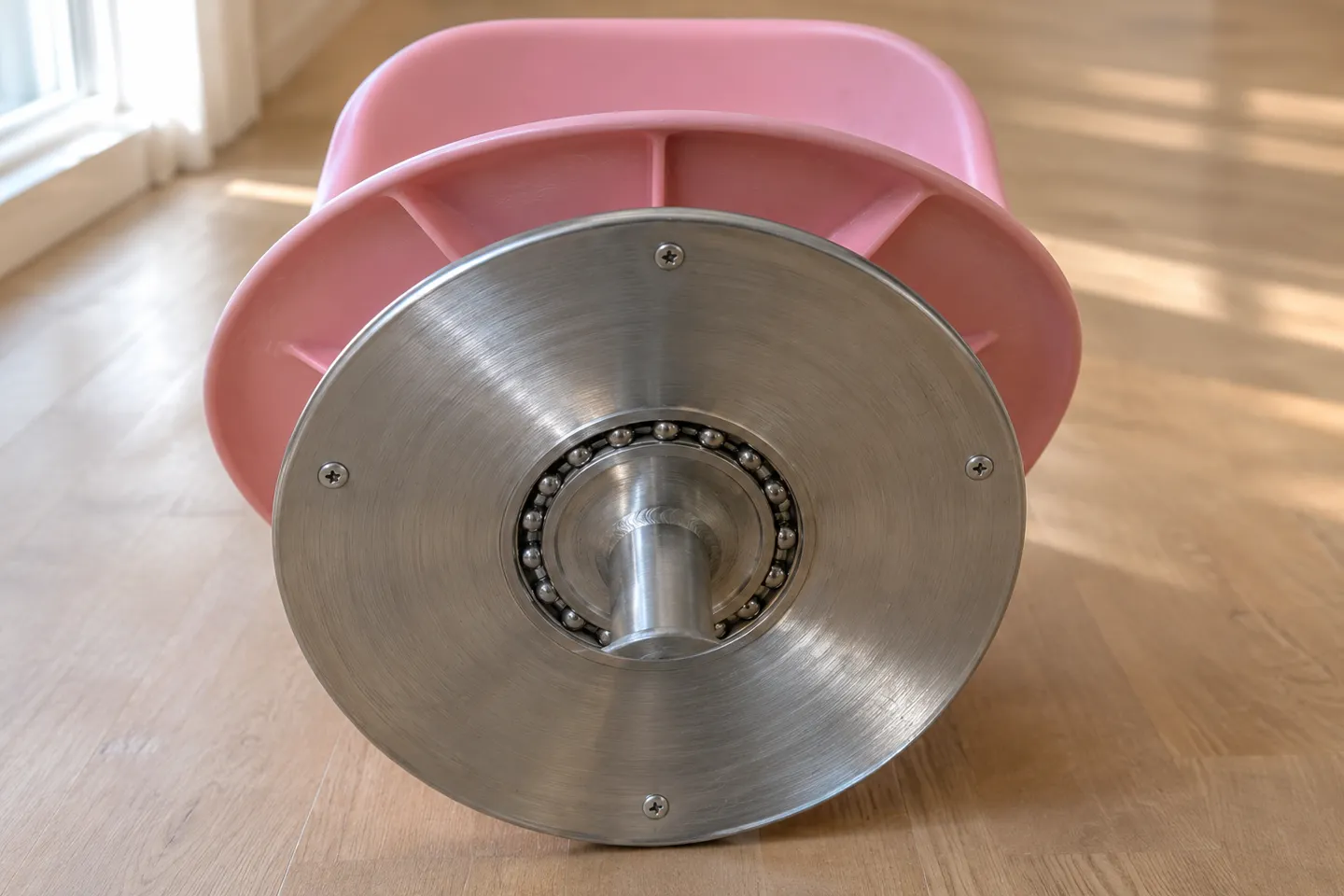
The base is the single biggest cost driver. Budget chairs mold the base and the seat post as one plastic piece. Mid-range chairs add a bearing assembly, and the top tier bolts a metal base plate under the seat. The difference shows up in year two: a molded plastic post wears into a wobble, and once it does, the whole chair is finished, because that joint cannot be repaired. A bearing-mounted base spins the same way on day 500 as on day one, and a worn bearing is a replaceable part instead of a whole dead chair.
When a listing says “non-slip metal base,” that sentence is carrying most of the price difference between a $45 and a $75 chair.
Panel Thickness and Surface Material
The shell that holds the child is next. Thin-wall panels keep the shipping weight and the cost down, which is why ultra-cheap chairs stay under $40. Thicker polypropylene panels resist flex and cracking, and food-grade PP with stable pigment costs more than recycled or mixed stock. Surface treatment sits in the same budget line: a textured TPE or rubber layer on the seat and base keeps a spinning child planted, and it adds material cost that a smooth cheap shell skips. One tier up, cushions and fabric covers add comfort for reading-corner use, though they trade away easy cleaning.
Weight Ratings and Safety Structure
Listings in this category carry static ratings of 200 or 220 lbs, and that number needs reading carefully: it is a static load rating, not a jump-on-it rating. A child dropping into the seat from standing generates a dynamic load several times their body weight, so what matters is the structural margin behind the number, not the number itself. Two chairs can both claim 220 lbs while one has a reinforced seat post and the other does not. Handles are part of this budget line too: grip handles let a child stabilize mid-spin, which is why therapy-grade chairs keep them and toy-grade chairs skip them.
Cartoon Shapes and LED Lights: Paying for Delight, Not Durability
The rest of the price gap is persuasion, not physics. A dinosaur mold costs more than a plain round shell, and an LED-lit version adds electronics that have nothing to do with how long the chair lasts. None of this makes a chair worse, and for a dinosaur-obsessed 4-year-old it may make the chair. Just know which budget line you are spending on: structure keeps its value for years, while a character mold is a style purchase.
Where the Extra Money Goes
| Price Factor | Budget Build | Worth Paying For | How the Cheap Version Fails |
|---|---|---|---|
| Swivel base | One-piece molded plastic post | Bearing assembly or metal base plate | Post wears into wobble, chair unrepairable |
| Panel | Thin-wall shell | Thick food-grade PP with stable pigment | Flex, cracks, fast fading |
| Surface | Smooth bare shell | TPE or rubber anti-slip layer | Child slides mid-spin |
| Load structure | Bare 220 lb claim | Reinforced post and grip handles | Dynamic drop-in load exceeds real margin |
| Extras | Plain shell | Character molds, LED versions | No failure, purely a style spend |
The first three decide whether the chair is still in service next year. The last one decides whether the child hugs it on day one.
Spend in this order
Base
Panel
Anti-slip surface
Character mold
But knowing what money buys is only half the decision. The other half is knowing how the cheap versions actually fail, because the failure data is public and it is not what the listings suggest.
When the Cheap Chair Costs More
Third-party research tracking this exact category on Amazon US compiled its review and return structure, and the pattern is specific (Flapen, 2025).
What the Return Data Actually Says
Out of 30-40K units the whole category sells per year on Amazon US, returns run about 1.5%, below the platform median of 2.1%, so most buyers keep the chair. But look inside the negative reviews and the failures cluster hard.
Public review data, Amazon US
20%
of all negative reviews name the same failure: broke quickly.
Tracked Amazon US listings, 2025
That single stat should reset how you compare a $45 chair against a $70 one. The price gap is not profit margin. On the cheapest builds it is the structural budget that got cut.
The rest of the return data tells a subtler story. 47% of returns cite “size is large”: buyers ordered from a photo, the chair arrived bigger than the space they pictured, and it went back. Another 10% of returns are defective material or parts, and the review language there is blunt: misaligned bolt holes, chairs that cannot be pulled apart or repaired. Only 7% of returns complain the product did not match the listing, which means the listings mostly tell the truth. The chair just is not what the buyer pictured.
A Five-Minute Check Before You Buy
Everything above turns into a short checklist. Run it before you order, whether you are buying one chair for a playroom or outfitting a therapy space.
Tier-by-Tier: Where Each Choice Fails
| Option | Best For | Fails When | Check Before Buying |
|---|---|---|---|
| Basic chair ($40-60) | Calm spinners, toddlers, first try | Daily hard use, older or heavier kids, therapy settings | Flip it over: plastic one-piece base means limited service life, measure your floor space against the listed dimensions |
| Mid-range chair ($60-110) | Daily spinners, ADHD and autism households, family rooms | Sustained institutional use, kids well above the rating | Confirm the base material is stated, ask for the static vs dynamic rating context, check for grip handles |
| Professional or therapy build ($110+) | Clinics, sensory rooms, kindergartens | Budget-driven one-off purchases for home use only | Request test documentation and spare-part availability, verify certification paperwork ships with the unit |
Read that table twice if you are buying for an institution. A clinic running six spin sessions a day wears a chair like a family wears one in six months, which is why the professional tier exists at all. Home buyers with a gentle 3-year-old can stay in the budget tier for a year and upgrade later.
Notice what the checklist never asks: the price. Price is the output of these decisions, not an input. And that is true one level up too, for the people deciding which of these chairs to stock in the first place, because the market signals behind the price tag moved sharply in the past year.
The Signals Behind the Price Tag
Demand direction
Category demand -20.2% over 90 days, yet the head term “spinning chair for kids” grew +16% on roughly 237K yearly searches
Competitive structure
Top 5 listings capture about 61% of clicks; entry requires sponsored ads and Prime on essentially every listing, with winners averaging 489 reviews at 4.63 stars
Seasonal rhythm
November-December demand peaks at about 5.3x the quiet season, and Q4 decides the year
The three numbers above look contradictory, and sellers who read only the first one sit this category out. The correct reading is concentration, not collapse: overall tracked demand softened 20.2% over 90 days while the head term kept growing, so traffic is consolidating around fewer, stronger listings (Flapen, 2025).
For a seller, that reshapes the entry math. A typical listing in the top tier moves 2,000-2,500 units a year, roughly $125K-157K in revenue at the $62.63 average price. Winning that volume against listings holding ~489 reviews means competing on review velocity and ad efficiency, not on a $3 price cut. The category’s tight $39.62-107.15 band leaves no room for a race to the bottom anyway.
The seasonal number is the one that decides production calendars. When Q4 runs at 5.3x baseline, a stockout in November costs more than a whole quarter of margin. Orders placed in August and September are the ones that land on the shelf before the peak.
Which raises the question every importer actually lives with: what builds the number on the tag between the factory floor and that Q4 shelf?
Planning Q4 stock in this category? The factory-direct price list and the production calendar are one message away.
Request wholesale pricingHow the Factory Builds the Number on the Tag
Follow a chair backward from the retail tag and the price assembles in four rings, each one adding cost and each one a place where a buyer can either save money or create risk.
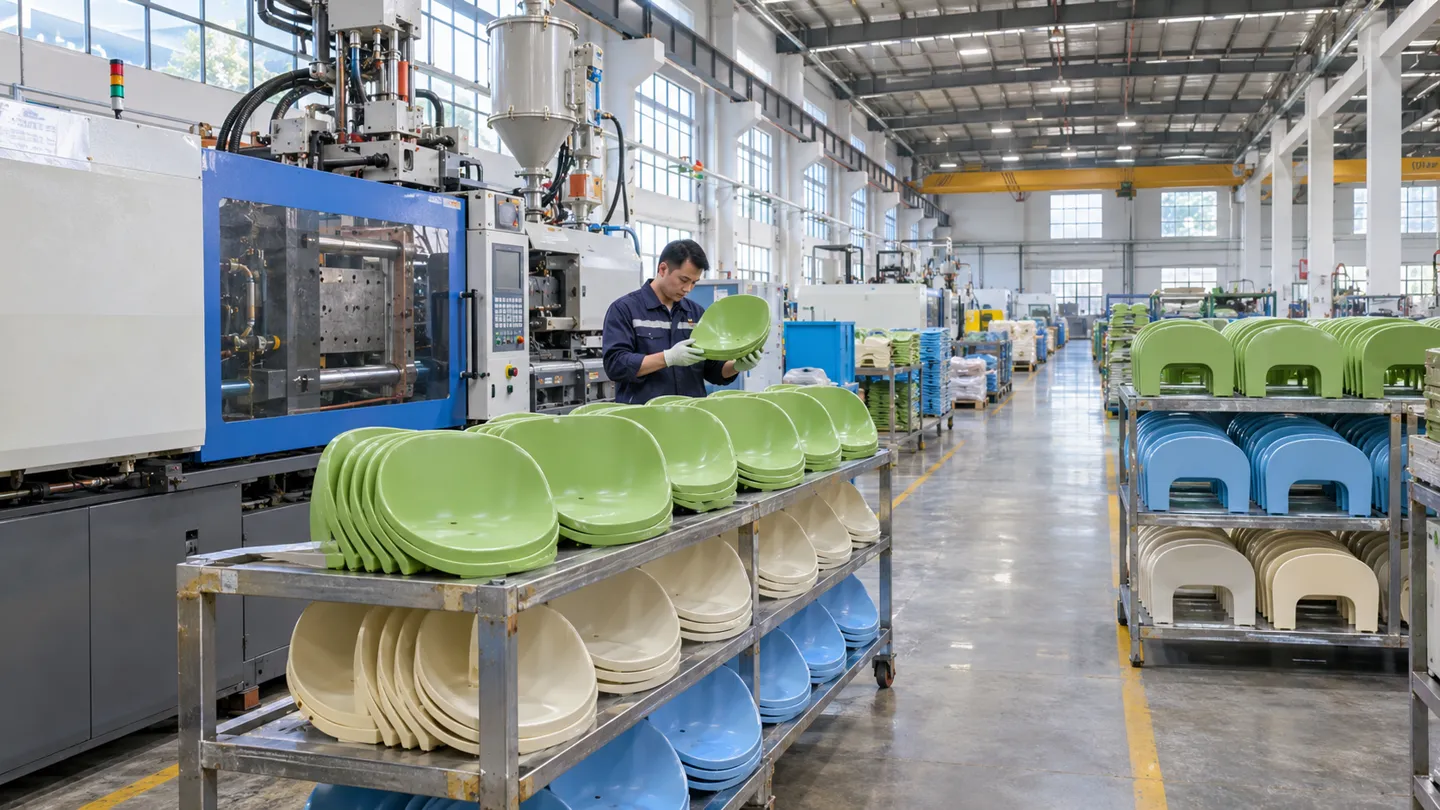
Ring one is the product itself. Base structure, panel thickness, and load margin set the factory price spread, exactly as they set the retail spread in the tier table above. A buyer who specifies “metal base, reinforced post, thick-wall panel” in the inquiry gets a different quote than one who asks only for the cheapest version of the photo.
Ring two is compliance. A chair sold into the US needs CPC paperwork; Europe requires CE under EN71, and ASTM F963 testing sits under both paths. A no-certification quote is not a discount, it is inventory risk: one customs check or platform audit and the whole shipment becomes unsellable stock.
Ring three is customization and order size. Stock items usually carry no MOQ, so testing a market costs little. Light customization, meaning color, logo, and packaging, opens up at workable quantities, and true mold development is a separate conversation with its own economics.
Ring four is timing. Production runs typically need 3-4 weeks after a 3-5 day sample approval, while stock items ship within 1-7 days. Set that against the 5.3x Q4 curve and the sourcing calendar writes itself: samples in summer, production booked by early autumn.
The four rings behind the tag
Product and structure
Base, panel thickness and load margin set the factory spread.
Compliance file
CPC for the US, CE under EN71 and ASTM F963 for both paths.
Customization and MOQ
Stock carries no MOQ, light custom opens at workable quantities.
Timing and Q4
3-4 weeks production after a 3-5 day sample, booked by early autumn.
This is the checklist stage where the factory’s answers matter more than its quote, and it is the stage a sourcing partner either clears or fails. Startinal built its sensory spinning chair line around exactly these questions: stock items carry no MOQ so you can test a market first, color, logo and packaging customization opens at workable quantities with a 15-day OEM turnaround on new styles, and every unit ships with the certification file a US or EU listing requires, CPC, CE and EN71, ASTM F963, backed by a BSCI-audited 10,000㎡ factory running 36 injection machines and 60+ patents across the US, EU and China (sensory spinning chair line).
The tag price, in the end, is just these four rings made visible. Buyers who read the rings pay for the chair they actually need, whether that chair costs $45 or $1,240.
If the chair on your shortlist has to survive more than one season of hard spinning, ask us about the 48-hour replacement commitment and the 24-hour English support line before you order, or browse our catalog to compare structures side by side.
Source Your Spinning Chair Line Direct
Stock chairs ship in 1-7 days with no MOQ, OEM styles turn around in 15 days, and every unit ships with the CPC, CE, EN71 and ASTM F963 file your listing needs.
Request a factory quoteReferences
- Autism Research Institute. “Sensory Integration in Autism Spectrum Disorders.” 2022. autism.org
- Flapen. “Is Sensory Chair Worth Selling on Amazon US?” 2025. flapen.com
- Design Within Reach. “Magis Spun Chair.” 2026. dwr.com
- r/Autism_Parenting. “Spinning Chair.” Reddit, 2025. reddit.com
- Target. “Sensory Chairs for Kids.” Search listings, 2026. target.com