.png)
The Label Can’t Answer That: How to Actually Judge an Educational Toy
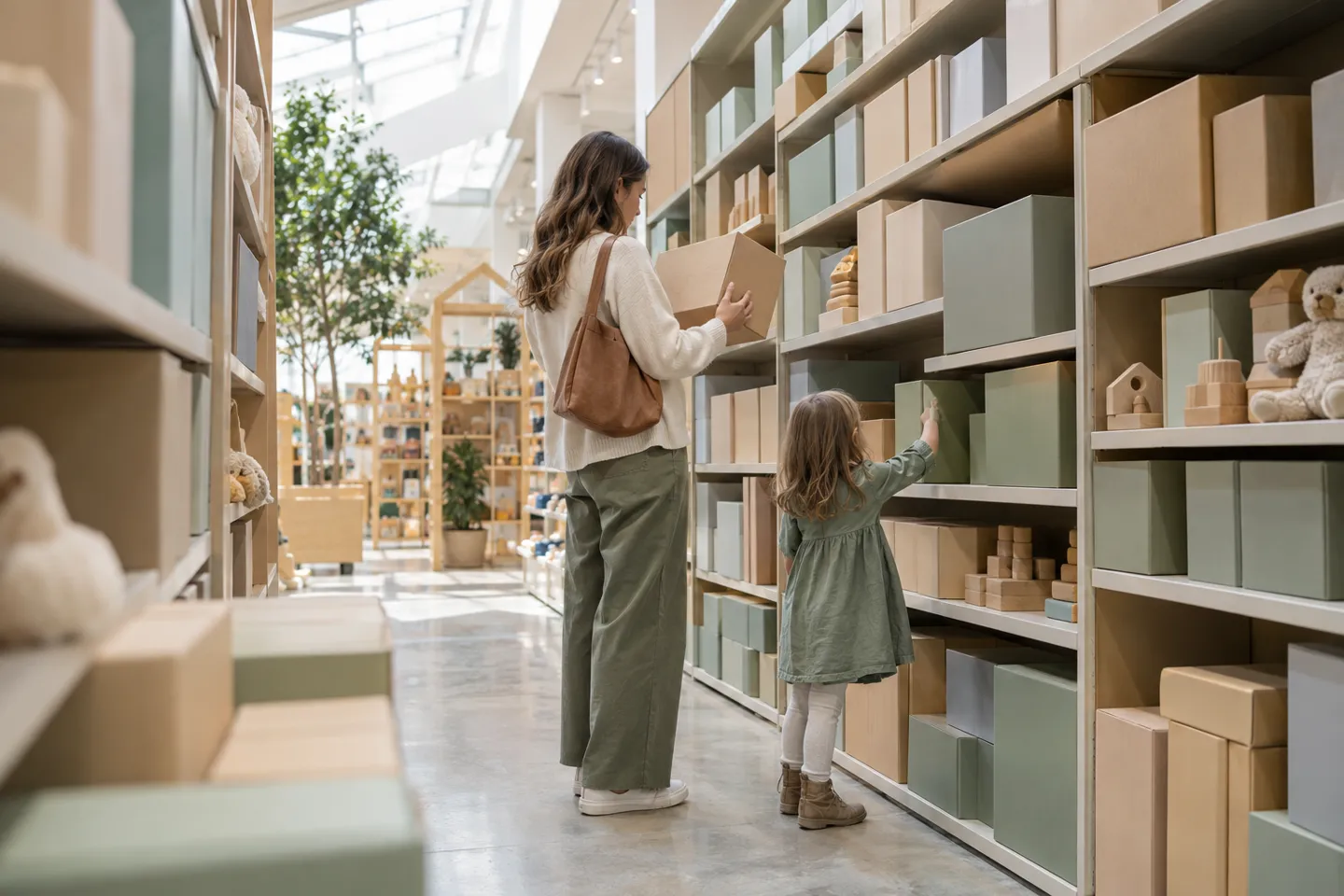
Every aisle of the toy store, and every page of a marketplace search, now promises that your child will learn something. “Educational” sits next to “STEM-inspired” and “Montessori-aligned,” sometimes on the same box. For a tired parent standing in that aisle, the labels are supposed to narrow the choice. Instead they multiply it, because every toy carries one and none of them explains what to check.
Here’s the uncomfortable part: the word “educational” on a box carries no verifiable information. No independent body tests whether a toy teaches. The certifications printed next to it (CPC, CE, ASTM F963) verify safety, not learning. That doesn’t make educational toys worthless. It means the label is the wrong thing to judge, and something else has to take its place.
That something else is five checks you can run yourself:
- The claim check. Can the “builds thinking skills” promise be seen in how the child plays, not just read on the box?
- The match check. Does it fit your child’s current abilities (upward is fine) and the safety floor for their age (never negotiable)?
- The third-play check. Is there a third way to play with it after the first two get old?
- The two-week check. Will the physical toy survive two weeks of real handling?
- The enough check. Is this one more toy than your home can rotate, not one better toy?
Run these five and the label stops mattering. The rest of this article shows where each check comes from and why it catches the failures parents complain about most. It ends with what to do when your situation doesn’t fit the standard script.
One quick clarification before the failure-by-failure breakdown: “educational,” “STEM,” and “Montessori-inspired” are marketing positions on a spectrum, not categories with definitions. Everything below applies to all three. The question isn’t which badge a toy wears; it’s what survives when you look past the badge.
Four Symptoms of an Educational Toy That Wasn’t
Parents rarely describe a failed toy purchase as “the label misled me.” They describe symptoms. Four of them come up again and again in parenting communities, and each one is a clue to a specific failure you can check for next time.
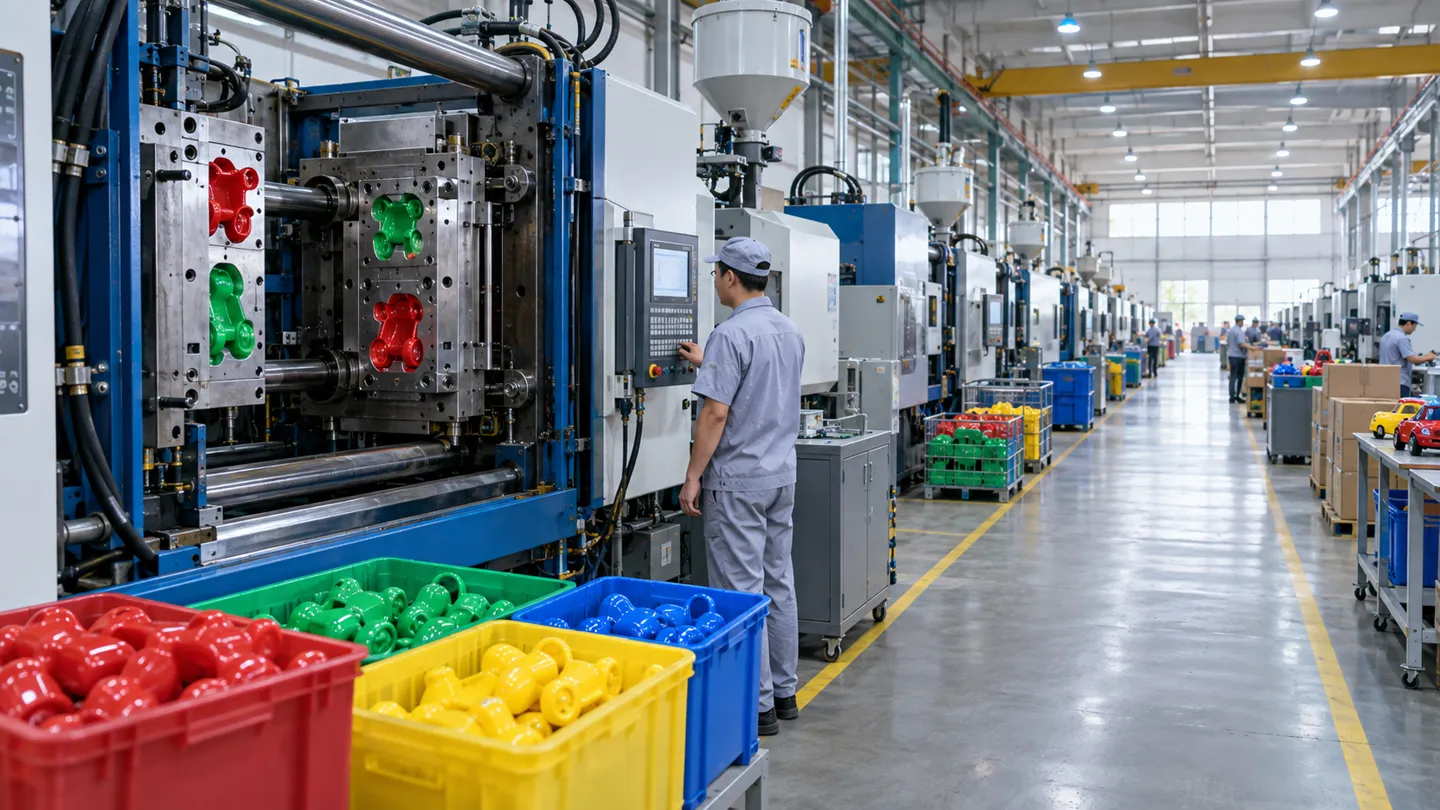
The first symptom is the three-day wonder. The toy is thrilling on day one and untouched by day three; the box promised engagement, the toy delivered a single play pattern that got used up fast. The second is the two-week breakdown: stickers peeling at the corners, a cracked plastic edge, a battery door that won’t stay shut. One parent put it bluntly in a discussion about toddler toys: “so many toddler toys feel like they’re made to survive 2 weeks max. Plastic cracks, stickers peel.” That’s not bad luck. It’s a design and materials choice that a buyer can spot in advance.
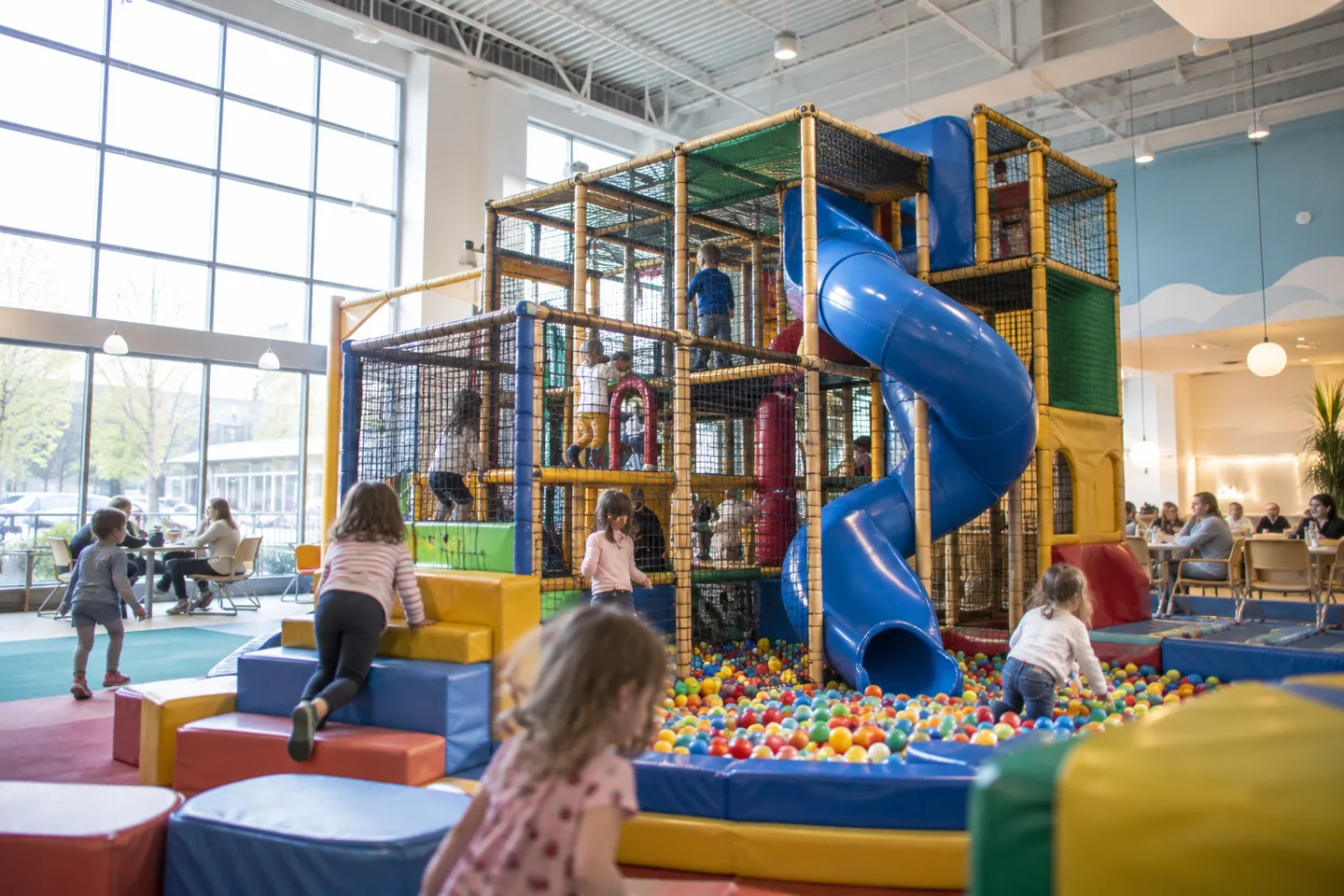
The third symptom is the crowded shelf: toys multiplying faster than play. Parents who step back from overbuying keep noticing the same thing. With fewer toys out at once, children play longer and go deeper with each one. The fourth symptom is quieter but growing: the parent who stops trusting the category entirely. In one parenting science forum, a mother wrote that she was “very skeptical of the word ‘educational’ when it’s slapped on every toy box.” She asked how to filter marketing from reality. When enough buyers reach that point, every box claim becomes noise.
None of these four is random. They map to specific, preventable failures. That mapping is what the next section gives you.
Bored by day three. Broken by week two. Shelves overflowing. Total label distrust. These are not four bad-luck purchases; they are four distinct failure modes, and each has a check you can run before paying.
Five Failure Modes Behind the Label—and the Check for Each
Every wasted educational-toy purchase fails in one of five ways. Knowing which failure you’re preventing turns a vague hope (“this one will be different”) into a specific inspection.
1. The Claim No One Can Verify
“Develops problem-solving skills” cannot be printed on a box unless someone decides what counts, and nobody does. The check is translation: take the claim and ask what it would look like in play. “Builds spatial reasoning” becomes: can I watch my child rotate, stack, or fit pieces today? If a claim can’t be translated into an observable play behavior, treat it as decoration.
This layer is also where certifications get misused. The markings that actually mean something (CPC in the US, CE under EN 71 in Europe, ASTM F963 in the US standard) are safety tests. EN 71 splits into mechanical and physical properties (EN 71-1), flammability (EN 71-2), and migration of heavy elements like lead and cadmium (EN 71-3) (Intertek). In the US, ASTM F963 is a mandatory standard under the Consumer Product Safety Improvement Act, enforced through 16 CFR Part 1250 (CPSC). CPSIA rules also set hard chemical limits, including 90 ppm lead in paint and surface coatings (Federal Register). These tests catch toxic materials and mechanical hazards. No certification anywhere certifies an educational effect.
What the certificates actually say
Safety, yes. Education, no.
CPC, CE, and ASTM F963 prove a toy won’t poison anyone. Whether it teaches anyone — no test anywhere measures that.
The same skepticism applies to electronic “learning” features. A study in JAMA Pediatrics compared electronic toys with books and traditional toys. Play with electronic toys produced fewer adult words, fewer conversational turns, and fewer parental responses (Sosa, JAMA Pediatrics, 2016). Lights and sounds are not a curriculum.
2. The Right Toy at the Wrong Moment
A toy can be excellent and still fail because it arrived at the wrong point in your child’s development. The match check has three factors: age band, current ability, and current interest. The age band on the box is conservative about ability; a child who’s ready can handle toys aimed slightly older. But it is absolute about safety. Small-parts warnings and choke-hazard labels are engineering thresholds, not suggestions. Never trade down on the safety floor to give a child “room to grow.”
Ability and interest you judge yourself. Watch what your child already repeats: lining things up, climbing everything, posting objects through slots. Then buy the toy that extends that pattern, not the one that introduces a skill nobody in the house has shown yet. A matching toy gets played with on day one; a mismatched one waits for a sale bin.
3. The Third-Week Test (Open-Ended or Exhausted)
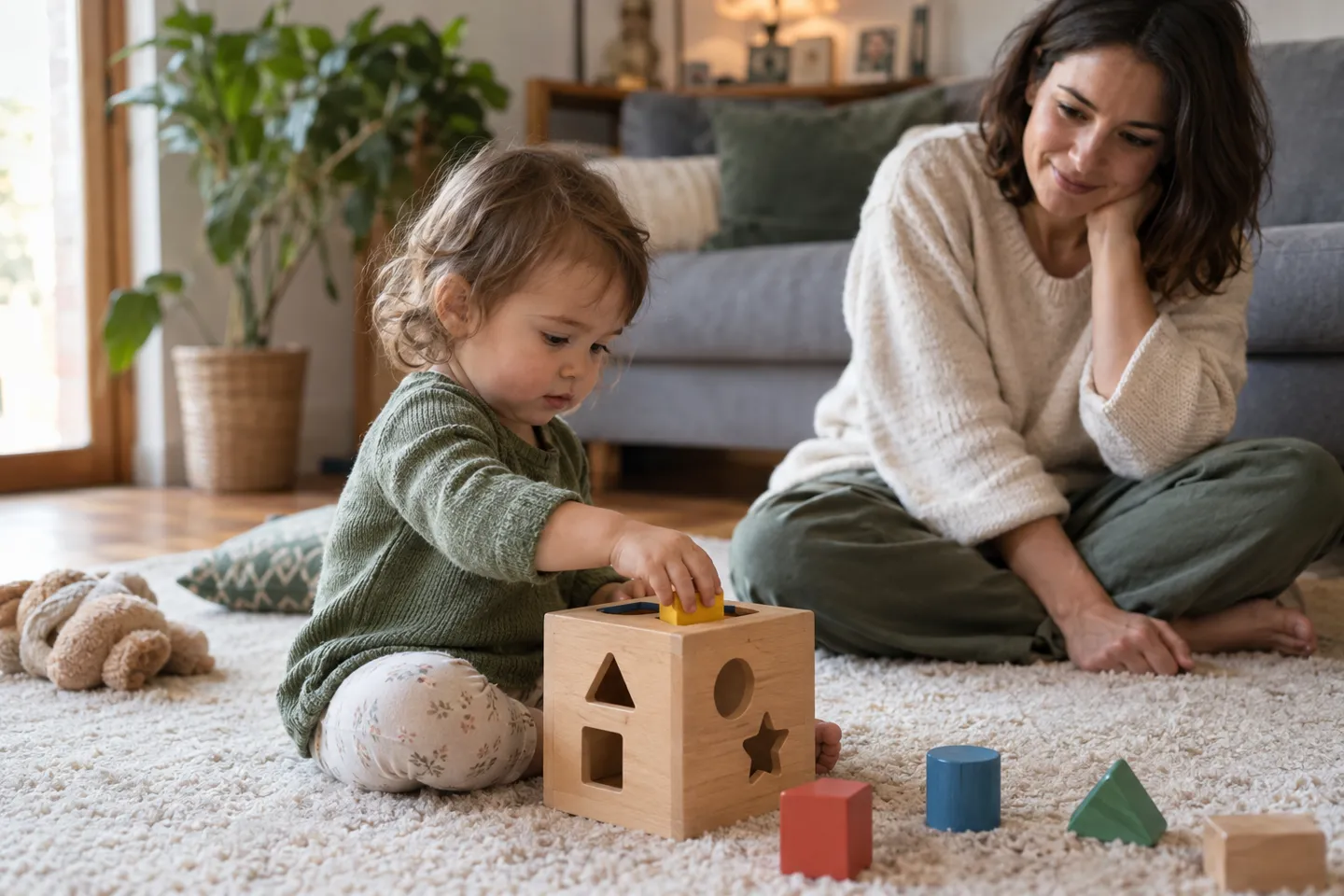
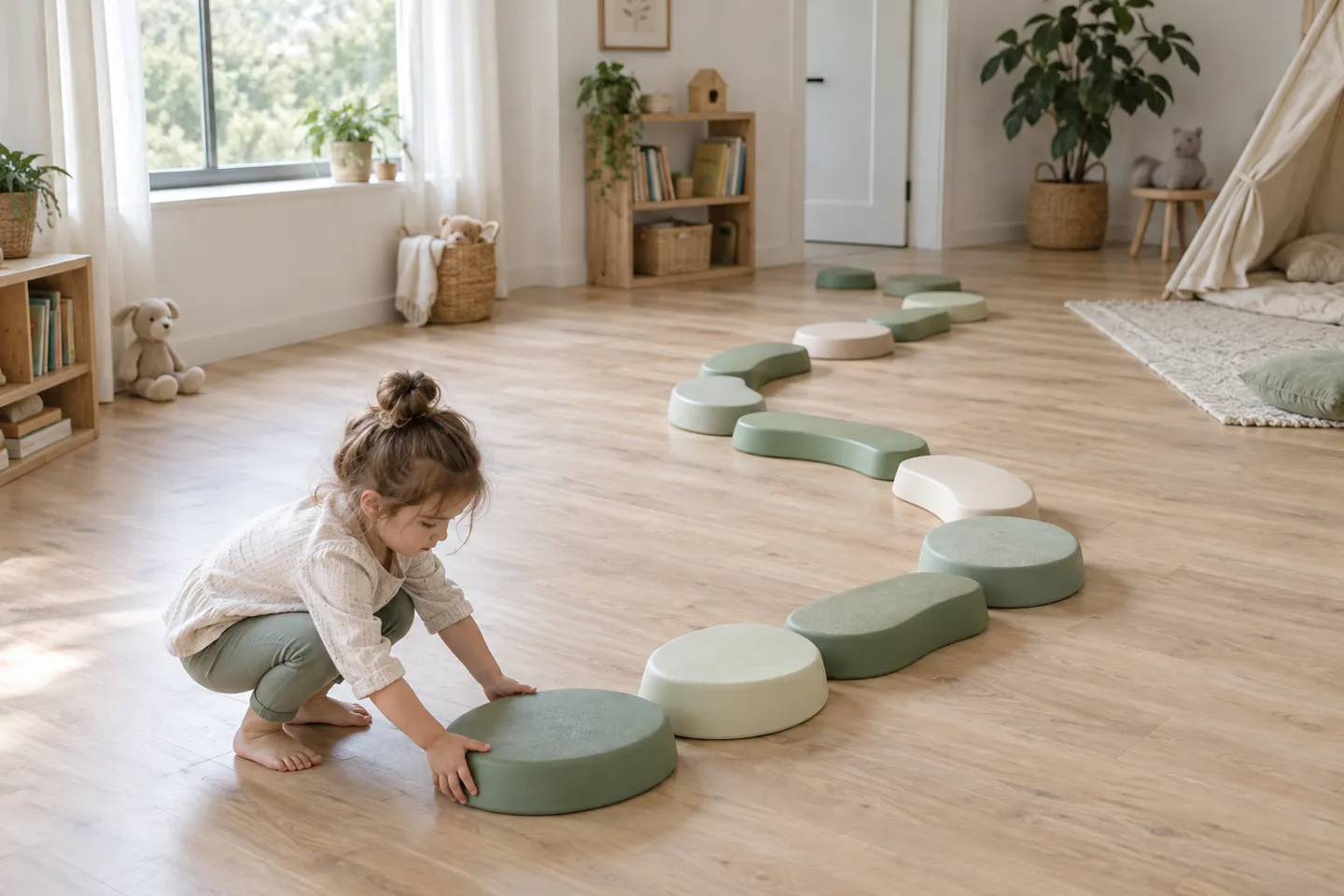
Toys don’t lose their educational value when they break. They lose it when their play runs out. Count the ways a toy can be played with, not the skills it claims. A set of stacking stones can become a floor path, a tower, a pretend river, a seat, a slope for cars; the child invents arrangement number four, five, and six. A button that plays the alphabet song has one play pattern, and when the song stops surprising, the toy is finished no matter what the box promised.
This is what “open-ended” actually means in practice: the child supplies the variation. Closed toys aren’t bad. A single-skill puzzle legitimately teaches that skill. The failure happens when a closed toy is bought as a long-term “educational investment.” It isn’t one. Reserve long-horizon spending for toys whose play the child can keep expanding.
4. The Two-Week Toy (Durability You Can Inspect)
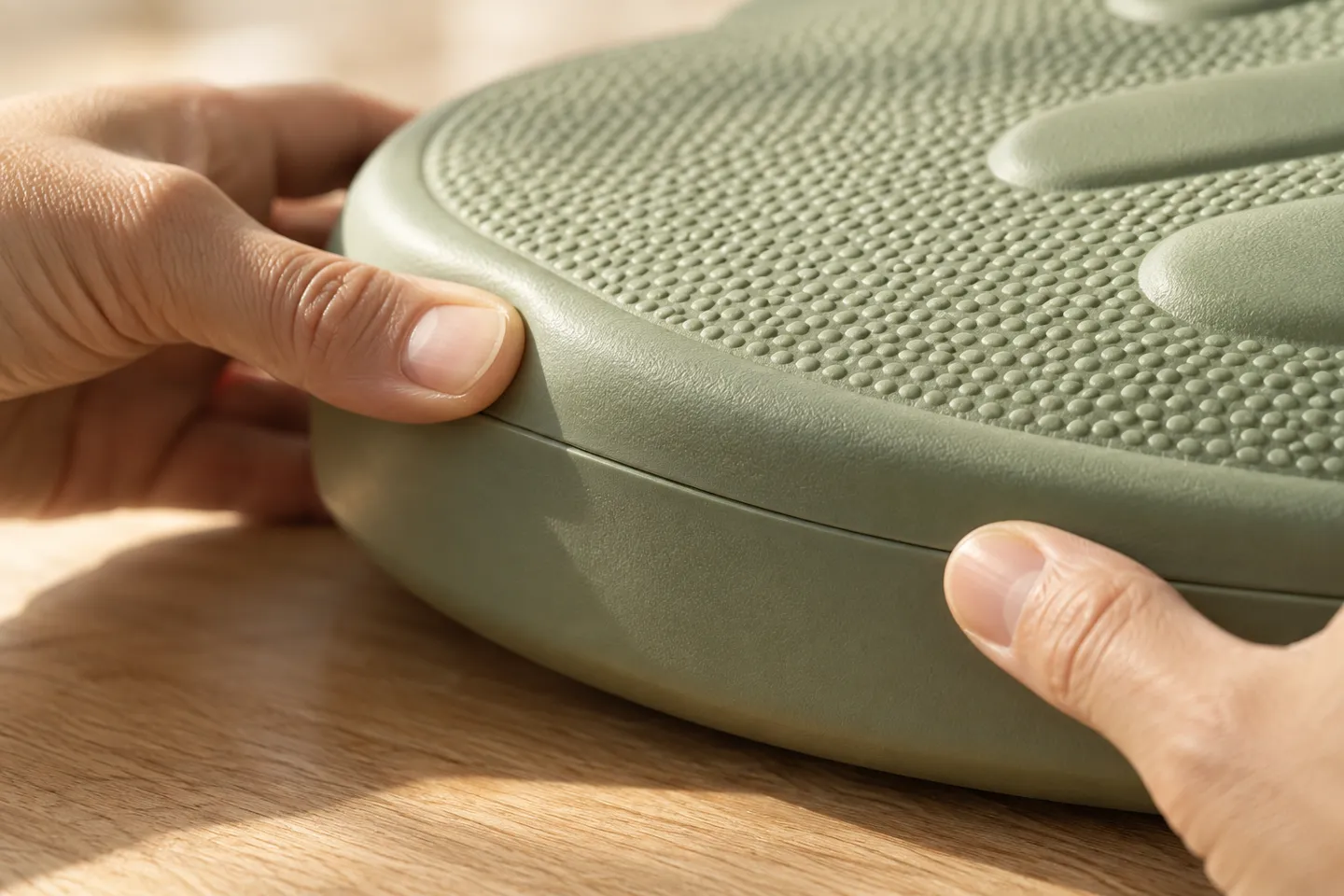
Durability sounds like luck until you know what to look at. Three features predict whether a toy survives real handling. First, structure: one-piece molded parts have no seams to split, while multi-part assemblies concentrate stress at their joints. Look at where the pieces meet and ask whether that joint takes the load when a toddler carries the toy by one end. Second, surface: molded-in texture and color survive; printed and stuck-on decoration peels. A textured, non-slip surface molded into the material will outlive any sticker, and it also does the anti-slip job the sticker was pretending to do. Third, edges and thickness: a rounded, reinforced edge on a stepping stone or a beam resists the chips that sharp corners collect.
Durability is also the denominator of a number worth keeping in your head: cost per use. A $40 toy played with for a year is cheaper than a $12 toy abandoned in two weeks.
Cost per use
Cheap upfront often turns expensive per play.
5. Too Much of a Good Thing
The last failure isn’t about any single toy. It’s about the total. Research on toddler play environments compared settings with different toy counts. When fewer toys were available, toddlers played with individual toys longer and in more varied ways (Dauch et al., Infant Behavior and Development, 2018). A crowded playroom splits attention across everything in it. Each toy gets shallow use, and each purchase returns less of what the box promised.
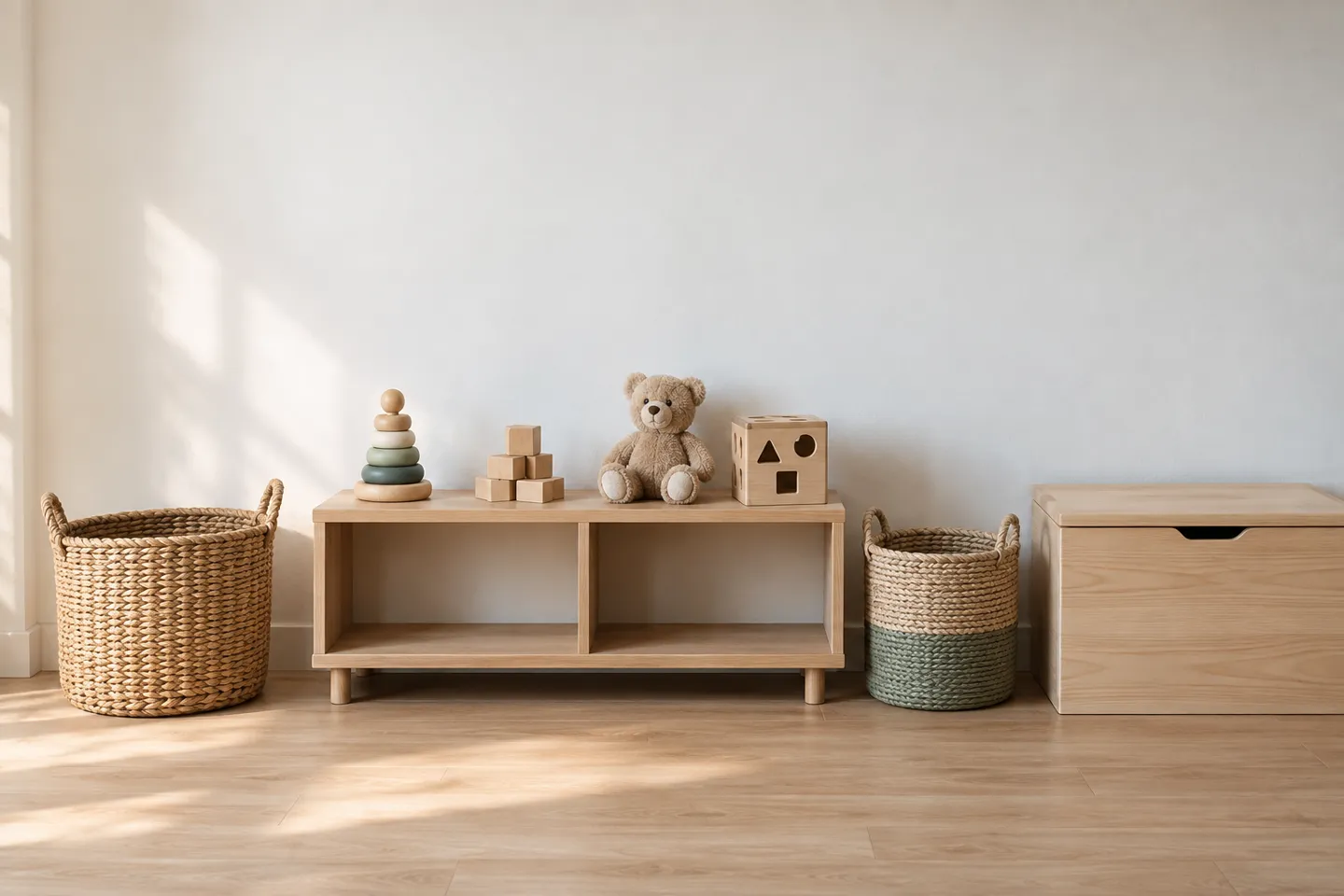
The check is a household policy, not a toy inspection: a rough ceiling on how many toys are out at once, plus a rotation habit. Keep most toys stored, a subset available, and swap them every few weeks. Rotation makes the same purchase do double duty. Toys come back feeling new, and you discover which ones your child actually asks for.
Five failure modes at a glance
| Failure mode | What it looks like | The check you run |
|---|---|---|
| Unverifiable claim | “Builds thinking skills” with nothing observable | Translate the claim into a play behavior; treat certifications as safety-only |
| Stage mismatch | Played with once, shelved; or safety floor ignored for growth | Match ability upward, never the safety floor |
| Play exhaustion | Thrilling on day one, done by day three | Count the ways to play; buy toys the child can keep reinventing |
| Physical breakdown | Peeling stickers, cracked seams by week two | One-piece structure, molded-in texture, reinforced edges; divide price by weeks of use |
| Overload | Crowded shelves, shallow play everywhere | Cap what’s out; rotate stored toys back in |
Where These Checks Stop Working
The five checks assume a common situation: a parent buying for their own child, in a home, with time to observe. Change the situation and the checks bend. In a few common ones, they bend a lot.
| Your situation | Trust this instead | Relax this | Swap this action in |
|---|---|---|---|
| Everyday buying for your own child | All five checks, fully | Nothing | Use them as written |
| Gifts from grandparents and relatives | The giver can’t observe daily play, so the interest factor is unknowable | The interest part of the match check | Ask the parents for one category the child is into; stay conservative on the age floor; keep it returnable |
| A child with special needs or sensory-processing differences | The “educational claim” question belongs to their therapist, not the box | The label checks entirely | Ask the occupational therapist which equipment supports current goals; home toys are course materials, not therapy |
| Classrooms and centers, many children daily | Institutional durability and paperwork | The two-week home test (classroom load is far heavier) | Assess for daily multi-child use; certification documents (CPC/CE) become a procurement requirement, not a nice-to-have; request documentation before ordering |
| Very tight budget | The developmental value of everyday objects and outdoor time | The assumption that a purchase is needed | Use the five checks to say no; play itself (pots, cardboard, a park) carries development further than most boxes |
Notice the pattern in the right-hand column: in every non-standard situation, the fix is to replace a generic check with a more specific source of truth. The parents who see daily play. The therapist who set the goals. The institution’s usage load. Or the decision not to buy at all. The checks are a default, not a law.
If you stock a classroom or a catalog, Startinal sends samples with the CPC, CE, and ASTM F963 paperwork attached so you can run these checks before you commit.
Request Samples & CertificatesA Buying Routine That Survives the Toy Aisle
Checks become easy when they’re a routine with a fixed order: before you buy, after it arrives, and every season after.
Stage 1. Before paying, run the pre-purchase three. First, translate the box claim: say out loud what “builds thinking skills” would look like in play this week. If you can’t, drop it or ignore the claim and judge the toy itself. Second, count the plays: name three distinct ways to play. If the third one requires imagination you had to invent on the spot, the child will exhaust it faster than you think. Third, scan the structure: seams and joints on load paths, molded texture over printed decoration, reinforced edges on anything stepped on. A passing example: stepping stones with a molded non-slip top, one-piece bodies, and rounded reinforced rims. Their play count reads “path, tower, river, seat.” A failing example: an electronic box whose claim (“introduces coding!”) can’t be translated, whose play count is one song per button, and whose decorative panel is a glued sticker sheet.
Stage 2. The first-week watch. The first 48 hours show honest interest; day seven shows whether it stuck. If the toy hasn’t been returned to voluntarily by day seven, move it into rotation storage instead of leaving it out to go stale. If it comes back out next cycle and gets ignored again, you have your answer about that purchase.
Stage 3. The seasonal rotation. Keep a working set out; store the rest; swap every few weeks on a simple rule: one comes in, one goes out. Watch what gets requested when a toy returns from storage. Those requests are your child telling you what actually holds their attention, which makes your next Stage 1 pass faster.
One toy can pass all of this and still be the wrong purchase: the duplicate. It can fail if it repeats a category your child already owns, like the third balance toy or the fourth puzzle at the same piece count. In that case the match check’s missing factor is your own household inventory. Check the shelf before the aisle.
The routine at a glance
Before paying
Translate the claim, count three ways to play, scan the structure.
First week
Watch 48-hour interest and the day-7 return; shelve or rotate.
Every few weeks
Rotate one in, one out; note what gets requested.
Pre-purchase checklist
- Claim translated into an observable play behavior?
- Three distinct plays named?
- One-piece or reinforced structure?
- Molded texture, not printed decoration?
- Age floor respected for safety?
- Not a duplicate of what we already own?
What Parents’ Filters Mean for the People Stocking the Shelves
Everything above describes one buyer. But if you sell to that buyer (an online seller stocking a catalog, an importer building a line, a buyer furnishing classrooms), the five checks read differently. They stop being parenting advice and become product-selection criteria.
The parent communities quoted earlier show a trust shift in progress. “Educational” labels still earn clicks, but purchase decisions are increasingly governed by the checks: whether the claim survives translation, whether the toy survives week two, whether play survives week three. The market is not shrinking while this happens. The educational toys market was valued at USD 69.53 billion in 2025 (SNS Insider via GlobeNewswire, 2026). It is projected to reach USD 185.56 billion by 2035 at a 10.32% CAGR. A growing market with more skeptical buyers means the winner isn’t the loudest label; it’s the product that passes the filters parents have learned to run.
Translate the three heaviest filters directly into sourcing terms. The claim check becomes listing integrity. Whatever the product page promises, the play pattern must show it, because today’s buyers translate claims before they buy, then review products in public. The durability check becomes your return rate. Molded-in texture, one-piece load paths, and reinforced edges separate repeat customers from refund requests, and a sample shows those features long before a container ships. The open-ended check becomes catalog curation. Open-ended active-play and sensory products (balance and stepping sets, climbing and tactile lines) generate the play variety behind the “still going strong a year later” reviews parents trust.
That third filter points at a category worth naming: the toys that pass all three filters cluster in open-ended physical play. Balance, stepping, climbing, and sensory integration lines pass because their engineering (surface texture, material thickness, one-piece structure) is the durability argument and the play argument at once. When you evaluate suppliers for this space, ask for the same things parents check. That means the texture and structure details in a sample, the certification documents behind the CPC, CE, and ASTM F963 marks, and the production flexibility to match colors and packaging to your market. That is the checklist a professional buyer runs. It is the parent’s checklist, priced by the container.
We build exactly this kind of equipment at Startinal: balance stones, balance beams, stilts, and sensory play products. Everything is produced in our own BSCI-audited (2022) facility and certified to CPC, CE, and ASTM F963 for the US and EU markets. We treat those certificates the way this article argues you should: as safety paperwork to be shown, not marketing. Request current CPC, CE, and ASTM F963 documentation with any wholesale or institutional inquiry; we send them with the quote.
Source Play Equipment That Passes All Five Checks
Startinal manufactures balance stones, balance beams, stilts, and sensory play products in its own BSCI-audited facility — CPC, CE, and ASTM F963 certified for the US and EU.
Start a Wholesale InquiryReferences
- U.S. Consumer Product Safety Commission. “Toy Safety Business Guidance.” cpsc.gov
- Federal Register. “Children’s Products, Children’s Toys, and Child Care Articles: Determinations Regarding Lead, ASTM F963.” 2018. federalregister.gov
- Intertek. “EU Toy Safety Directive | EN 71 Testing.” intertek.com
- Sosa, A. V. “Association of the Type of Toy Used During Play With the Quantity and Quality of Parent-Infant Communication.” JAMA Pediatrics, 170(2), 2016. ncbi.nlm.nih.gov
- Dauch, C., et al. “The Influence of the Number of Toys in the Environment on Toddlers’ Play.” Infant Behavior and Development, 50, 2018. sciencedirect.com
- SNS Insider. “Educational Toys Market Size to Exceed USD 185.56 Billion by 2035.” GlobeNewswire, 2026. globenewswire.com