.png)
Equipment guides put the cost of opening an indoor playground at $50,000 to $500,000. Venue-software vendors put a mid-sized facility at $250,000 to $1 million. And in a 2025 Reddit thread, one founder reported borrowing $800,000 to build his.
All three are “correct.” None of them helps you write a plan until you understand why they differ. This guide skips the template roundup. It places your venue in a real budget tier. It shows you how to read an equipment quote the way a factory insider would. And it ends with the money math that decides whether the whole plan survives.
What an Indoor Playground Business Actually Is
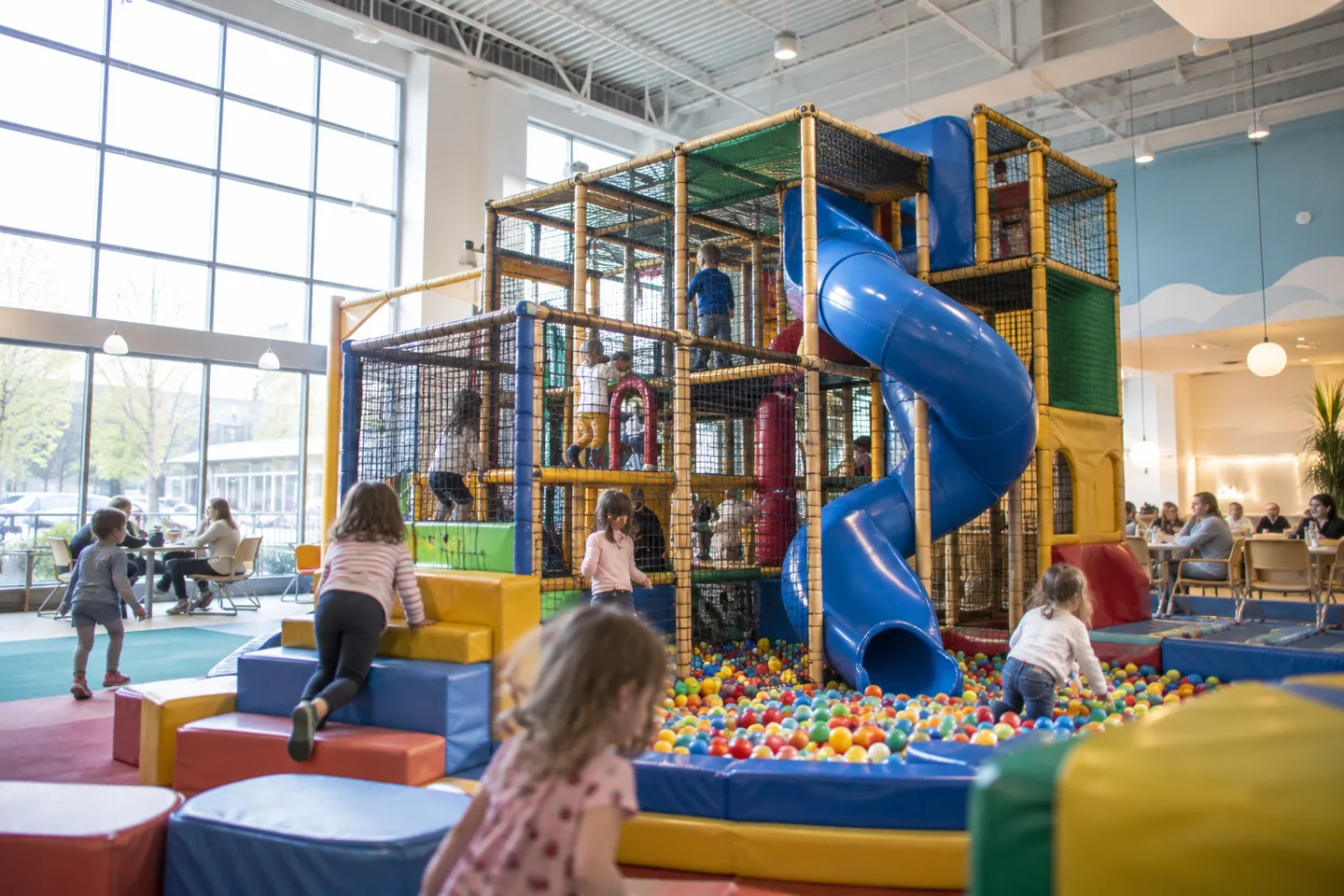
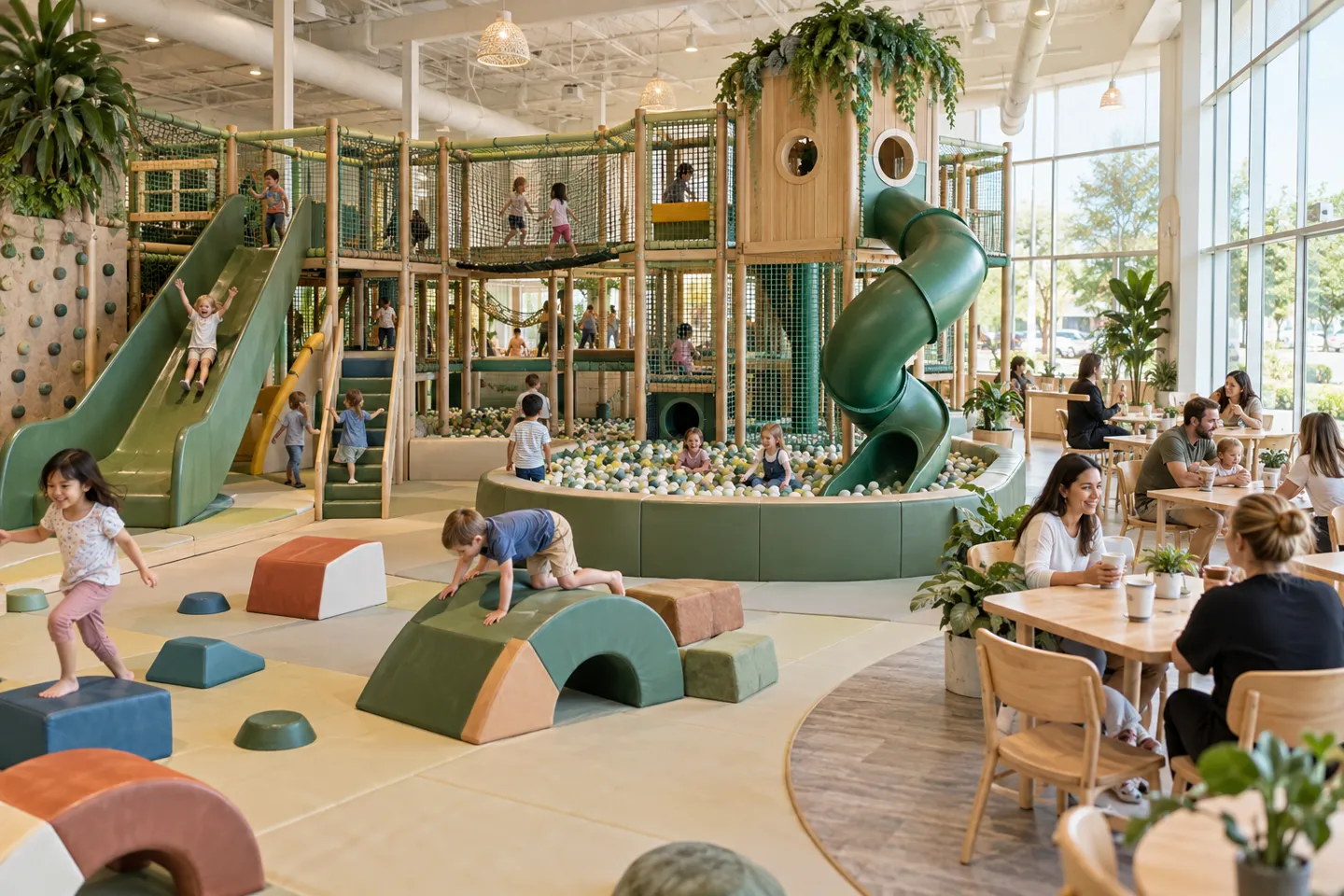
An indoor playground is a fixed-location business that sells play time to families with young children. The equipment is your asset base. Foot traffic is your revenue. Rent, payroll, insurance, and utilities are the costs that run whether ten kids show up or a hundred.
Most venues earn from four streams at once. Open play admissions are the everyday base. Birthday parties are the weekend engine and usually the margin maker. Memberships and classes smooth cash flow between weekends. Food, beverage, and small merchandise add a few dollars per visit.
Keep the category boundaries clear, because they change the budget. Trampoline parks target older kids with high-stimulation attractions and a different insurance profile. Outdoor playgrounds are municipal or residential infrastructure, sold through a different procurement path entirely. This guide is about the indoor soft-play and combo-structure business for roughly ages two to twelve.
One more thing worth saying before the numbers. Demand for screen-free play is real and growing. That is the tailwind. It is not a business model, and the next section is about the part that actually decides whether yours lives.
The Three Scale Tiers: Why Indoor Playground Cost Numbers Contradict
Here is the contradiction, stated plainly. Dreamland Playground’s planning guide puts a typical project between $50,000 and $500,000, counting site, equipment, transport, installation, insurance, operating, and labor costs (Dreamland Playground, 2023). ROLLER, which sells software to these venues, says a mid-sized indoor playground runs $250,000 to $1 million, with large facilities exceeding $2 million (ROLLER, 2026). Both are published by companies that work in this industry daily. The gap exists because “indoor playground” is not one business. It is at least three, and almost no guide tells you which one it is pricing.
Once you sort venues into tiers, the numbers stop fighting and start making sense:
The three scale tiers of indoor playground businesses
| Tier | Typical venue | What it contains | Published/ | Real reported numbers | Where plans fail |
|---|---|---|---|---|---|
| Soft-play studio | Under ~3,000 sq ft, often a storefront or add-on | Foam blocks, ball pit, balance and climbing pieces, mats, toddler zone | ~$15K–$80K all-in | $15K–$20K equipment budget (r/ | Budget cannot cover professional installation, so buyers improvise |
| Standard combo playground | ~5,000–10,000 sq ft | Contained play structure, party rooms, café corner, dedicated toddler area | ~$250K–$1M | ROLLER mid-sized range (ROLLER, 2026) | Theming and signage eat the equipment line |
| Large FEC-scale venue | 10,000+ sq ft, multi-zone | Multiple attractions, café, arcade, events space | $1M+ | $800K total reported by one founder, fully borrowed (r/ | Cash flow has no cushion for a slow first season |
The soft-play studio tier: small budget, real business
This is the tier most first-time owners actually enter, and the tier generic guides skip. A storefront unit or an add-on to an existing café, church, or daycare, filled with loose soft-play pieces: foam climbers, a ball pit, balance stones, mats. One founder priced an equipment setup at $15,000 to $20,000 and found that professional-grade installations cost more than that entire budget (operator-reported, r/smallbusiness, 2025). In Toronto, a founder planning a kids’ play studio tallied about $80K startup against $20K per month in operating costs (operator-reported, r/SmallBusinessCanada, 2025).
The failure boundary here is specific: installation. Loose pieces do not need a build crew; structures do. Before you pay any equipment deposit, get the installation quote in writing. If the install costs as much as the equipment, that is not a red flag on the installer. It is a signal this tier should stay loose-piece.
The standard combo tier: where the published ranges live
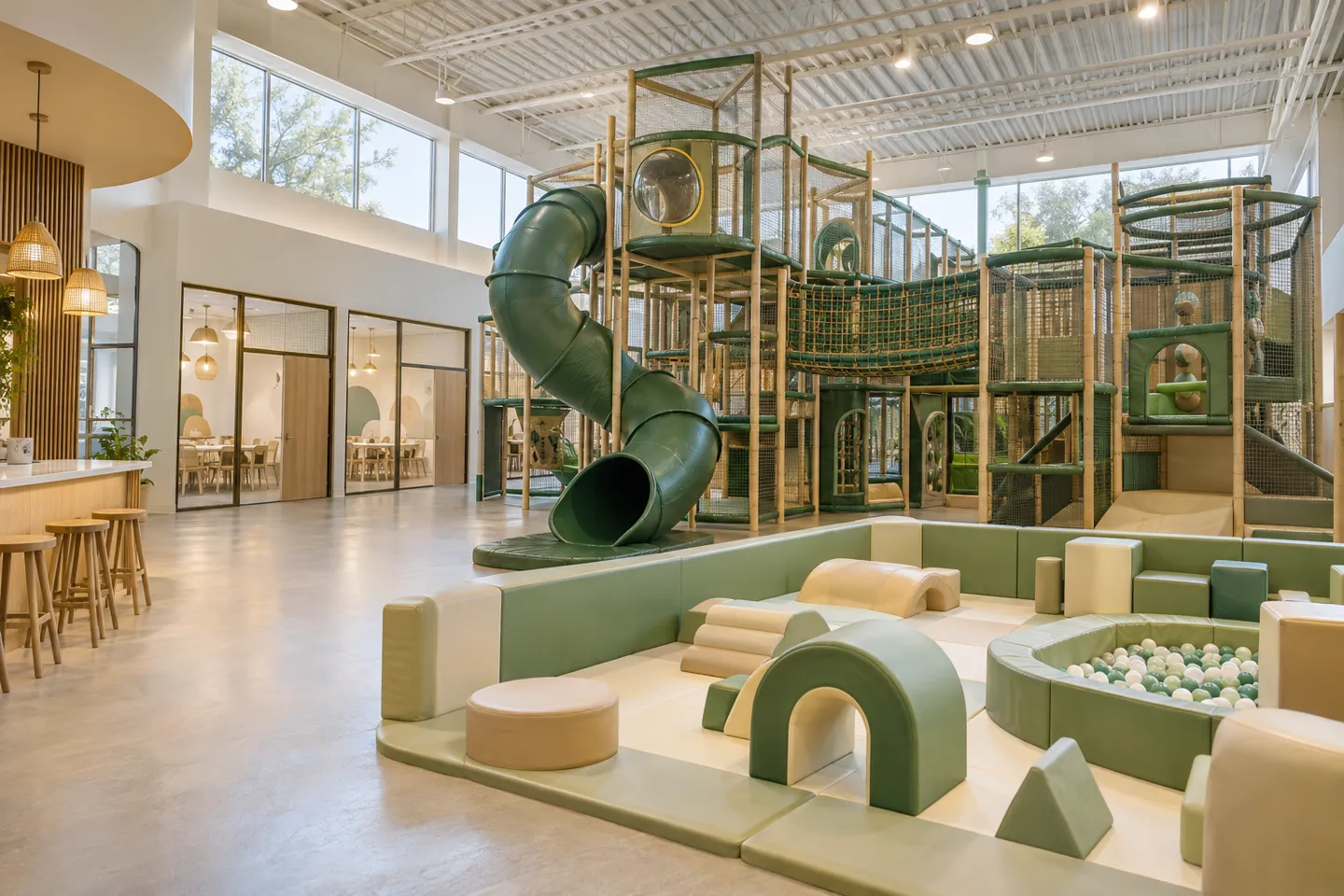
Picture the standard setup: a 5,000 to 10,000 sq ft venue with a contained play structure, two or three party rooms, and a café corner. Most “how much does it cost” articles are pricing exactly this. The ROLLER range of $250,000 to $1 million is honest for this tier (ROLLER, 2026). The spread inside it is driven mostly by how complete the structure is and how much theming you buy.
The boundary here is spending order. Theming is visible; the structure’s platform thickness, net specification, and post hardware are not. Owners who budget for the visible layer first end up trimming the specification of the thing kids actually climb on. Lock the equipment specification before a single dollar goes to signage and murals.
The large FEC tier: high ceiling, thin margin for error
Above 10,000 sq ft you are building a family entertainment center with multiple zones, food service, and events space. The published numbers go past $2 million, and financing is normal at this tier. But look at the one fully documented case in public: a founder whose all-in figure reached $800K, every dollar borrowed (operator-reported, r/smallbusiness, 2025). He asked Reddit to sanity-check the plan before signing anything.
The boundary here is cash runway. A venue this size needs a slow-season cushion measured in months, not weeks. If the plan only works at full weekend occupancy from month one, the plan does not work.
Before You Write: The Decision Gate and Your Plan Skeleton
Two questions come before the writing. Can this business work in your location at all? And what does the plan document actually need to contain?
Run the capacity math first, with your own numbers. Take the venue’s real occupancy cap. Multiply by a realistic ticket price and your monthly open hours. Set that against total monthly fixed costs: rent, payroll, insurance, utilities, and loan service. You do not need industry averages for this. You need your zip code’s rent and your own ticket price. If the ceiling math barely clears your fixed costs at full occupancy, you have your answer before you write a page.
Decision gate — walk away or adjust if any of these is true
- An equivalent venue already operates within 3–5 miles and the local birth-rate cannot support two.
- The only affordable venue cannot physically host your target tier’s equipment footprint.
- Cash reserves cover less than six months of fixed costs.
If the gate passes, the plan itself needs seven sections, and none of them should surprise you. Market research and your target family profile. Site selection and floor plan. The budget, which the tier table above has already calibrated. Equipment and supplier. Permits and insurance. Marketing and opening. Revenue mix. Write each one short and specific rather than long and vague. The equipment and supplier section is the one people fill in last and get wrong most, and it gets its own section below.
On the demand side, the wind is real. The indoor amusement center market was valued at $54.7 billion in 2025 and is projected to reach $121.5 billion by 2033, a 10.9% annual growth rate (Grand View Research, 2026). Equipment makers also report parents actively seeking screen-free outings (Soft Play, 2025). Market growth tells you the category is healthy. It cannot tell you your specific room, rent, and radius will work. That is what the gate above was for.
Reading an Equipment Quote Like an Insider
Equipment is the largest single line in your budget and the least standardized. Two quotes for “the same” playground can differ by multiples, and the industry’s most expensive lesson is not overpaying. It is paying a supplier who cannot finish.
Start with a hard truth about the phrase “one-time purchase.” Owners on Reddit describe equipment as a large one-time cost with labor as the main recurring expense. That is true only when the equipment survives. Industry documentation of failed sourcing describes structures that collapsed and netting that fell apart within months of installation, made from substandard materials (Funlandia). Buy wrong and your one-time asset becomes a recurring expense with a safety investigation attached.
The four line items that decide whether a quote is real
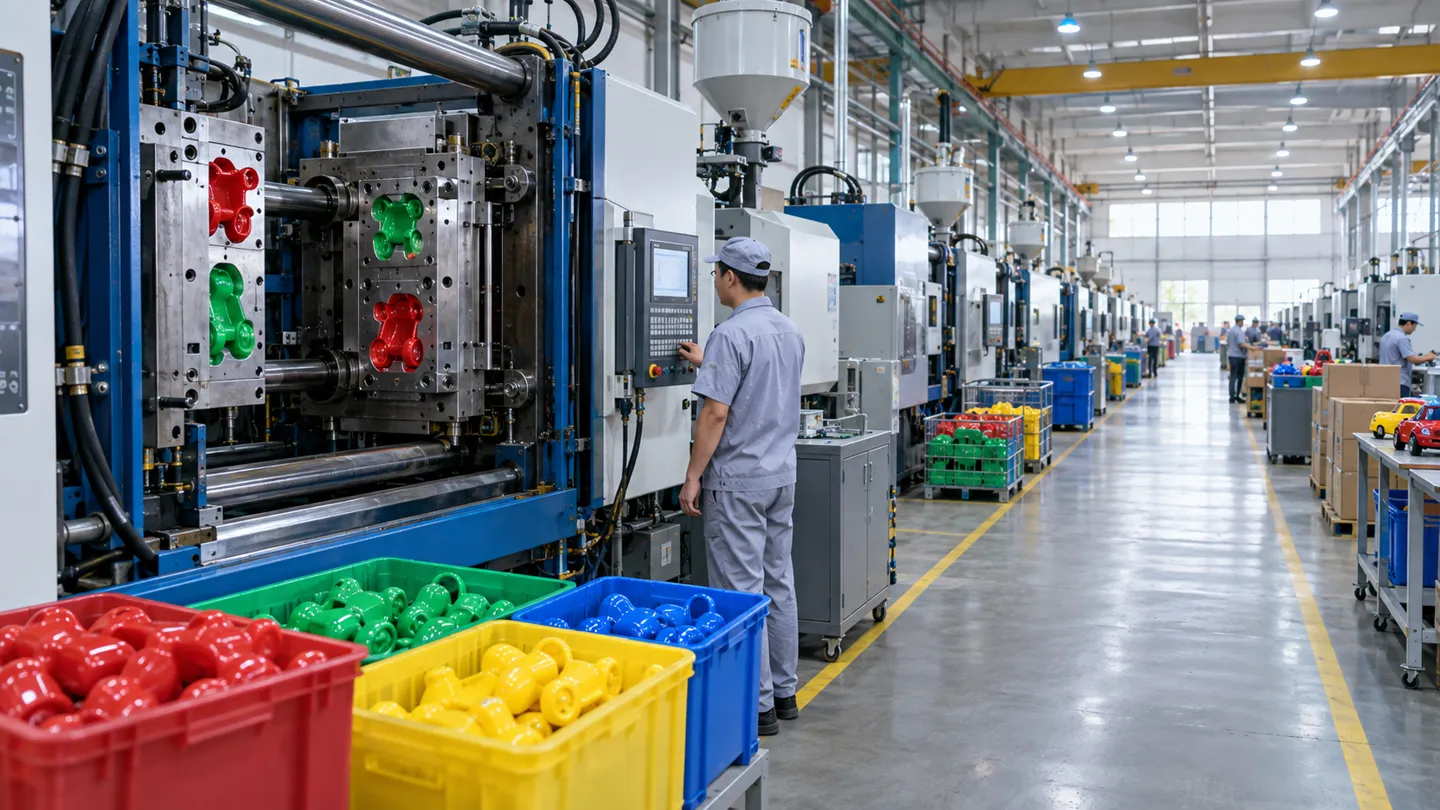
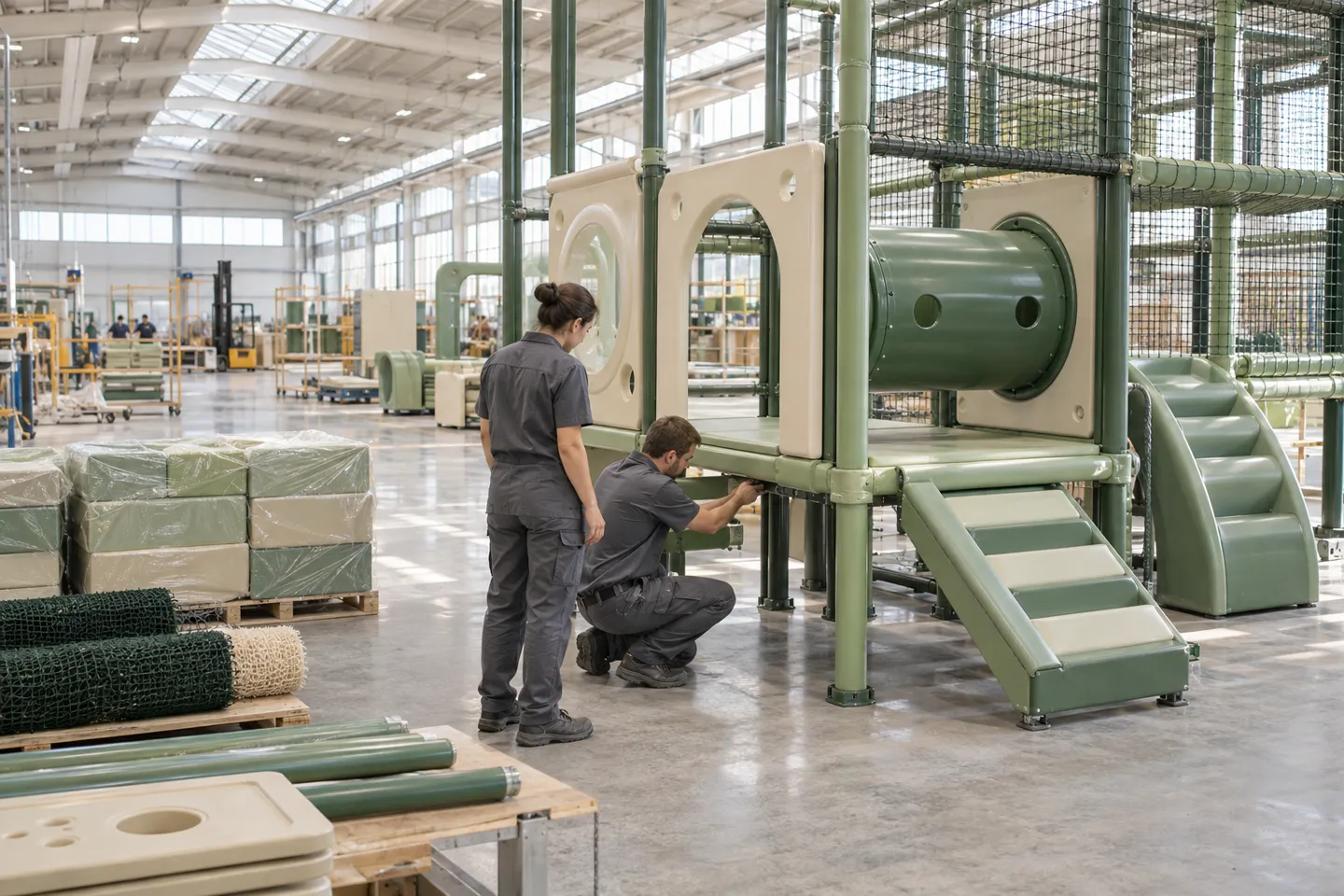
Every quote has four dimensions that you can and should verify separately. First, materials and specification: ask which polymer the platforms and panels use, what thickness the platforms are, what the netting specification is, and how foam pieces are covered and seamed. Vague answers here predict vague everything else. Second, certifications. In the US, soft contained play structures fall under ASTM F1918, the safety performance specification for that equipment class in public play spaces (ANSI). Loose items like soft blocks and ball-pit balls are toys, and toys must meet the mandatory ASTM F963 standard enforced by the CPSC (CPSC). EU buyers will run into the EN 1176 series. The action that matters: ask for certificate numbers, then verify them with the issuing body, not with a PDF the supplier sends. Third, installation: ask whether installers are directly employed, what training they hold, and whether they have worked under your local code before. Untrained freelance crews are a documented source of failed and delayed installs (Funlandia). Fourth, after-sales: parts availability, response window, and the claim process, agreed in writing before you pay.
The failure modes are well documented (Funlandia). Forged certificates and product photos stolen from established manufacturers. Low quotes that grow after the deposit lands. Installation crews with no formal training. Suppliers who stop answering once final payment clears. And the single most expensive version of the story is this one:
The most expensive lesson in sourcing: the 90% prepayment
One US buyer in the family entertainment industry reported being asked for 90% of the equipment payment before shipping, with the balance demanded at the port before cargo release — the equipment, paid for, sitting in a container as leverage (Family Entertainment Center, 2020).
Payment structure is your only real leverage. Never structure it otherwise.
Verify the supplier before the deposit
Verification is a checklist, not a feeling. Verify each certificate number with its issuing body. Ask for a live video walk-through of the factory floor plus the business license and a machine list, so “manufacturer” means something. Tie payments to milestones: a deposit at order, progress against documentation, balance only after pre-shipment inspection passes. Confirm the installation crew’s identity and ask for one reference from your country. Get after-sales response windows and parts pricing into the contract, not the brochure.
How the four sourcing channels compare, and what to check before signing each:
Sourcing channels × budget fit × red flags
| Channel | Fits which tier | What you actually get | Verify before signing |
|---|---|---|---|
| Manufacturer direct (incl. China OEM) | Standard combo and large FEC, plus studio-tier loose pieces | Factory pricing, custom layout and theming, container logistics on you | Factory evidence (video, license, machines); cert numbers verified with issuer; milestone payments; named installation crew |
| Local brand/ | Standard combo where turnkey matters more than price | Design-build-install handover, local service | Whose factory builds the structure; whether certs belong to the builder or the brand; itemized vs lump-sum quote |
| Franchise package | Owners who want playbook over control | Brand, layout, training, supplier lock-in | Total 5-year cost vs independent; what equipment exclusivity forbids later |
| Used equipment | Studio tier, tight budget | Deep discount off list price, immediate availability | Structural wear and net condition in person; missing certs cannot be retrofitted; no after-sales chain |
There is also a lower-risk way to start, and it deserves a sentence before the money math: the loose soft-play path. Balance stones, foam climbers, ball pits, and mats need no construction crew, stack away for storage, and in a normal supply chain ship from stock within days, not months. Open with pieces like these, watch what your weekend traffic actually does, and commit to fixed structures when the data supports it. Verify the venue before you pour concrete, so to speak.
The Money Math: Turning Equipment into Revenue
Now the revenue side, using numbers operators actually posted. A veteran owner described charging $10 per child per day for open play, infants and adults free, with birthday parties at $249 (r/smallbusiness, 2020). One planning owner’s spreadsheet capped play sessions at 20 children at $12 each and projected $15,360 per month from admissions alone, before parties (r/workingmoms, 2024). These are single-venue numbers, not benchmarks, but they show the shape of the model clearly.
Real operator numbers
Read the mix in this order. Open play fills weekdays and sets your foot-traffic baseline. Parties concentrate on weekends and carry the margin, which makes them both the profit engine and the concentration risk: a venue that lives on parties has a five-day revenue problem. Memberships and classes are the floor under the fixed costs. Price the party package first, because it anchors weekend capacity, then let open-play pricing fill the rest of the week.

Utilization is the ceiling on all of it. Your occupancy cap times your open hours is the maximum revenue the room can physically produce, and every dollar of rent and equipment is spread across that ceiling. This loops back to the equipment decision, because buying quality pays a second time. Reliable equipment keeps the ceiling intact on party weekends. A failed component takes out revenue at the exact moment it is most concentrated.
So the business read for an indoor playground operator comes down to this. Start loose where the tier allows it, validate the traffic, then commit to structures.
Allocate by verifiable capability, never by the lowest quote — the unverifiable quote rewrites your payback math.
This is also where it is fair to say who we are. Startinal manufactures the soft-play and gross-motor side of this industry: balance and stepping stones, climbing and crawling pieces, soft play and sensory lines. Everything is CE and CPC certified, backed by 60+ patents across China, the US, and EU registries. When a piece of equipment goes down, our 48-hour replacement commitment means the claim starts with a photo, and replacement parts ship free for quality issues. A part that arrives in three weeks does not help your Saturday. Stock items ship in 1 to 7 days year-round, and light customization in your Pantone color or logo runs about 15 to 25 days. That gap is the difference between opening on schedule and opening someday.
If you are at the quote stage, send us your floor plan or equipment list. We will quote it line by line, and free samples (freight collected) let you check the materials before you commit, starting with our soft play and indoor collection.
Build on Equipment You Can Verify
Soft-play and gross-motor equipment straight from the factory — certified, patented, and shipped from stock in days, not months.
Request Your Factory QuoteReferences
- Grand View Research. “Indoor Amusement Center Market Size Report 2026–2033.” 2026. grandviewresearch.com
- ROLLER. “Indoor Playground Business Plan & Startup Guide.” 2026. roller.software
- U.S. Consumer Product Safety Commission. “Toy Safety Business Guidance.” cpsc.gov
- ANSI Blog. “ASTM Playground Standards.” ansi.org
- Family Entertainment Center. “Indoor Playground Equipment — Buying From China.” 2020. familyentertainmentcenter.com
- Reddit, r/smallbusiness. “Laid Off and Trying to Start a Kids Indoor Playground.” 2025. reddit.com
- Reddit, r/smallbusiness. “Any Recommendations for Indoor Playground Brands When Starting a Business?” 2025. reddit.com
- Reddit, r/SmallBusinessCanada. “Considering Opening a Kids’ Play Studio in Toronto.” 2025. reddit.com
- Reddit, r/smallbusiness. “Any Indoor Playground Owners in This Sub?” 2020. reddit.com
- Reddit, r/workingmoms. “Talk Me Out of Starting My Own Indoor Playground Business.” 2024. reddit.com