.png)
$140 per square metre from one manufacturer. $500 from a budgeting guide. A $35,000 median from a third source. $800,000 business plans on Reddit. Every one of these figures for indoor playground cost is real. They simply measure different things.
This article sorts them out. It shows what each number includes, where playground budgets actually fail, and how to request quotes you can compare line by line.
One Search, Three Different “Indoor Playground Costs”
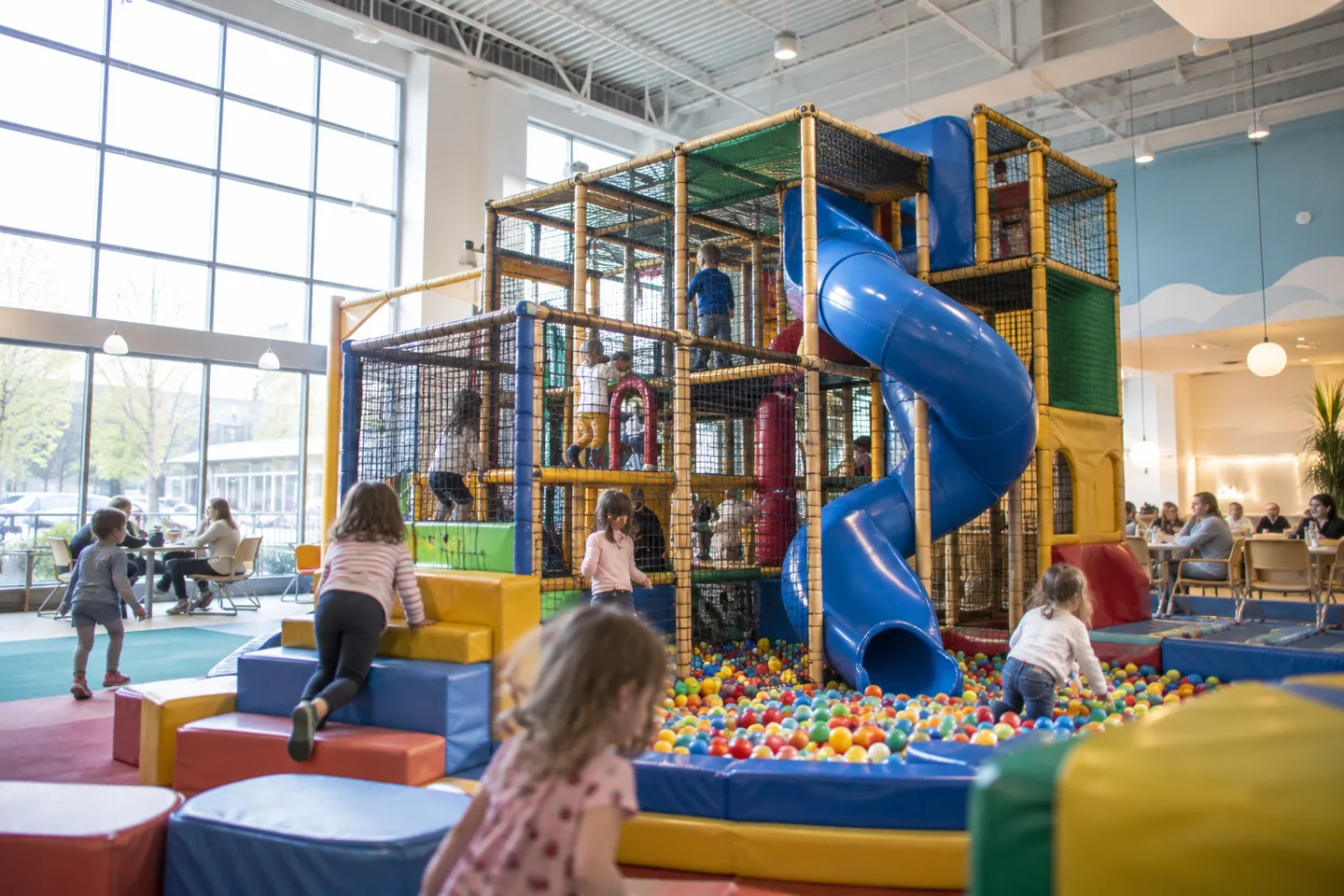
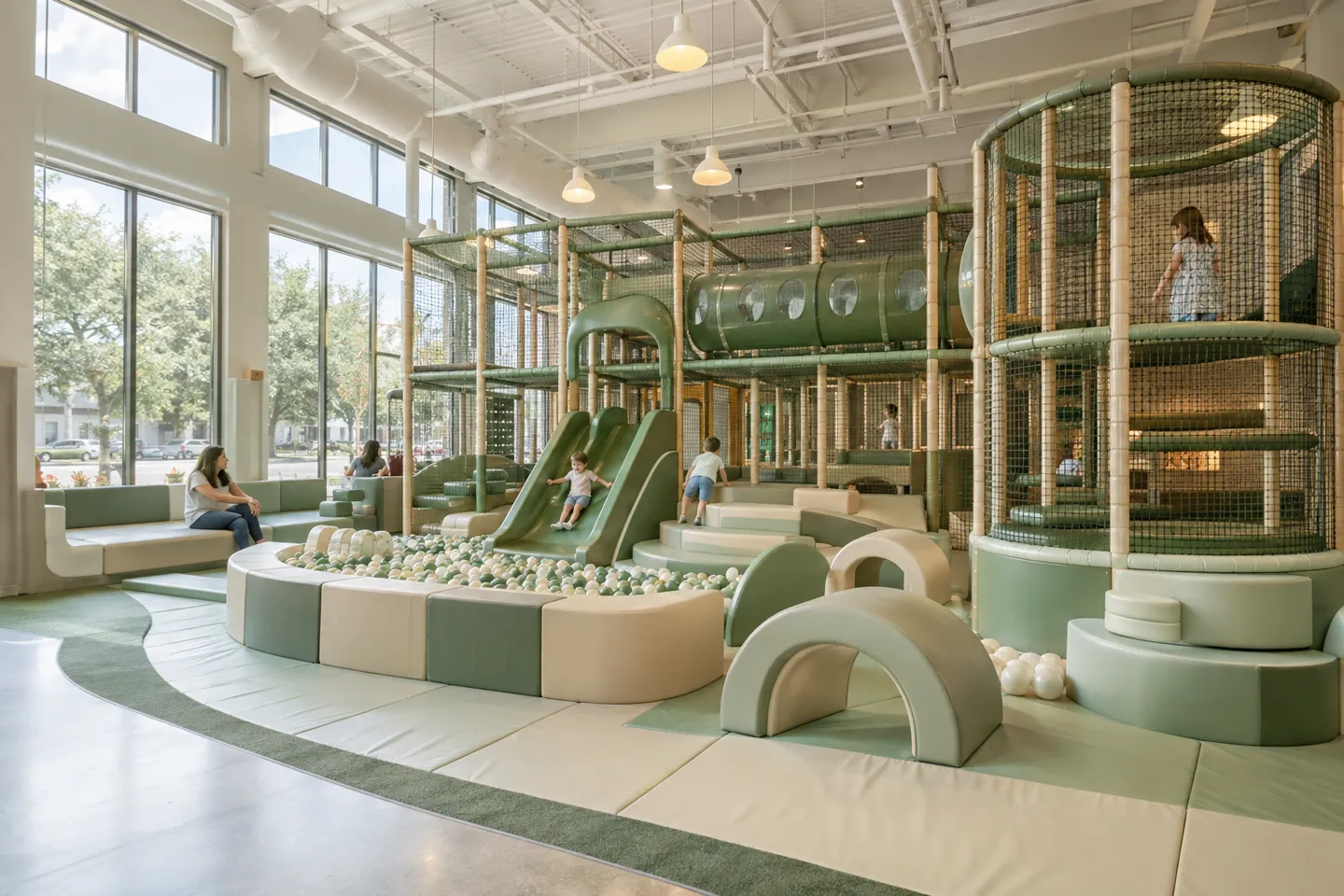
A parent outfitting a play corner spends a few hundred dollars on foam blocks and stepping stones. A family booking a birthday party pays $300 to $3,000+ per event in the US, depending on package and location (Kids Avenue Playground, 2026). An operator building a commercial venue spends $10,000 to $800,000 or more. Same search, three different purchases.
The gap between the toy and the venue is not size. Consumer play pieces are not built to commercial standards for certification, materials, or duty cycle. That is why a $400 home set and a $40,000 commercial structure can look similar in photos. The distinction matters if you plan to open your space to the public, because inspectors and insurers care about the commercial standard, not the photo.
The rest of this article is about the third number: the commercial build. If that is your purchase, keep reading.
Four Cost Bases: Why One Keyword Returns Numbers 10x Apart
Ask five suppliers for an indoor playground cost and you may receive five numbers that cannot be compared. Not because anyone is lying, but because each quote answers a different question.
The gap is not price
One search for “indoor playground cost” returns public figures this far apart. The difference is what each number packs inside.
Equipment only, ex-works (FOB)
Chinese manufacturer listings often quote $140–200 per square metre for playground structures (Angel Playground, 2026). The lower figure fits ceiling heights under about 3.2 m; the higher one fits around 4.5 m. This price covers equipment at the factory gate. It excludes ocean freight, import duties, inland transport, installation, safety flooring, and every local cost. Comparing it to a domestic turnkey quote is the fastest way to double your real budget on paper.
Equipment delivered, not installed
Budgeting guides that quote $250–500 per square metre for an indoor play centre are pricing equipment that has travelled (Dreamland Playground, 2026). Retail listings work the same way: one 15×20×32 ft commercial structure sits at $124,005 in a US supplier’s shop (Go Play Systems, 2026). Freight is in these numbers; crews, flooring, and engineering usually are not.
Equipment installed (turnkey)
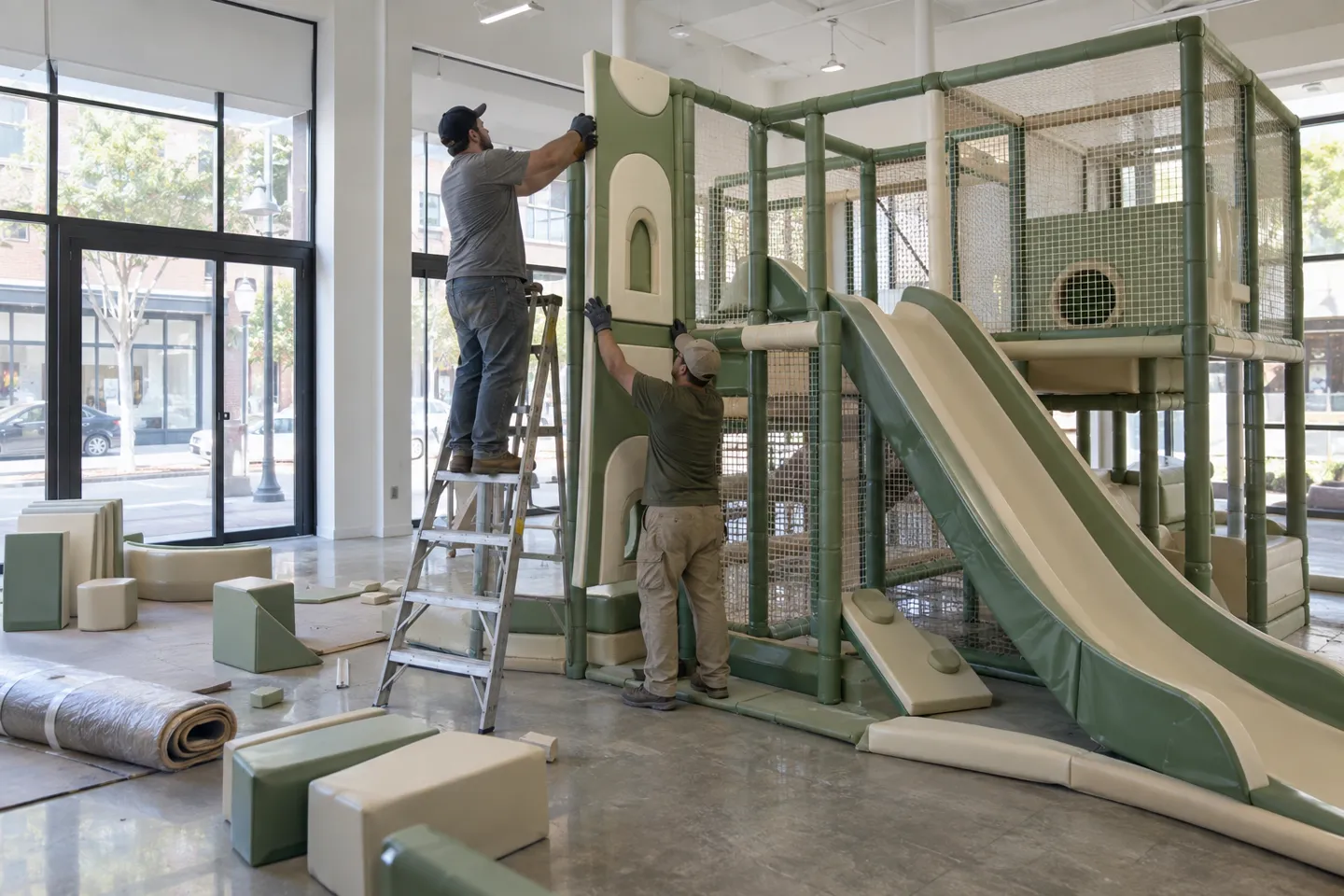
US buying guides peg commercial playground equipment at $10,000–70,000 purchased and installed, with a median around $35,000 (AAA State of Play, 2023, updated 2026). The guide itself adds a warning: that figure covers the play structure, not the business around it. Size-band tables follow the same logic (Koala Playground, 2026). Budget $8,000–30,000 of equipment for a 300–800 sq ft soft-play corner. An 800–1,500 sq ft play café runs $30,000–70,000. A 1,500–3,000 sq ft standalone venue runs $60,000–150,000, and a 3,000+ sq ft family entertainment center starts at $150,000–500,000+. Then add roughly 30% for shipping and installation.
The full project, all-in
Once rent, build-out, permits, staffing, and working capital join the bill, the totals move: $100,000–500,000+ is a common startup range (Roller Software, 2026). One operator documented roughly $200,000 in startup costs for a 2,500 sq ft venue in Western New York (Michele Caruana, 2019). An r/smallbusiness user planning a full-service venue with staff landed near $800,000 (Reddit, 2025). None of these contradict the $35,000 median. They simply fund more lines.
Cost basis matrix: what each quote includes
| Cost basis | What it includes | What it omits | Classic misuse |
|---|---|---|---|
| Equipment FOB | Equipment at factory gate | Freight, duties, install, flooring, local costs | Treating it as the project budget; the landed figure runs 2–3× higher |
| Equipment delivered | Equipment plus freight | Installation, flooring, permits, build-out | Reading it as turnkey and forgetting the crews |
| Equipment installed (turnkey) | Equipment, freight, installation | Rent, build-out, insurance, staffing, working capital | Bookkeeping the structure as the whole venue |
| Full project all-in | Everything above plus premises and opening costs | Usually still thin on reserve capital | Budgeting no cash buffer and meeting the first slow season unfunded |
Read the matrix against your own venue size and the price bands stop contradicting each other. A 1,200 sq ft café quoted FOB in Shanghai and a 2,500 sq ft venue quoted all-in in New York were never the same question.
One more rule of thumb falls out of these tables: equipment is roughly a third to a half of the all-in figure once delivery, installation, and opening costs are counted. The 30% shipping-and-install add-on in the size-band table shows why (Koala Playground, 2026). Operator breakdowns confirm it (Michele Caruana, 2019).
The Budget Beyond the Equipment
Venues rarely close because they overpaid for slides. They close because the money ran out before the customer base arrived. When owners list what sank them, the equipment line is rarely the villain. The surprise lines around it are. One operator paid her first year of insurance up front and still came up short (Michele Caruana, 2026). She had underestimated staff training, paper goods, and opening inventory. The gap came out of the cash reserve meant for the loan payment.
One-time costs
These land before the first ticket is sold: lease deposits and first/last month rent, leasehold build-out, permits and inspections, freight and installation, safety flooring, and POS and signage. Add the opening inventory of socks, grip shirts, and consumables that US venues quietly require. Legal and accounting setup belongs here too.
Running costs
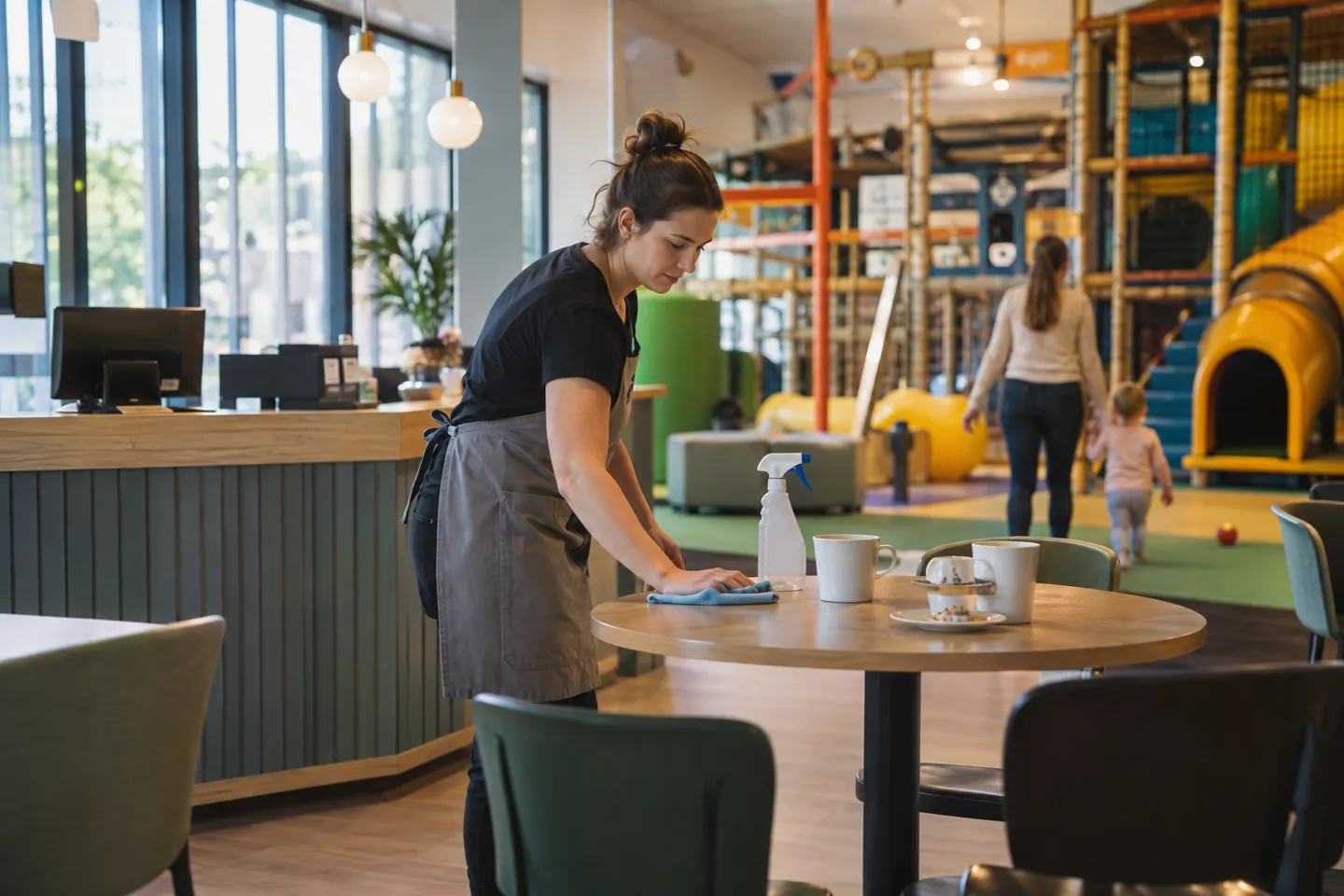
Rent is the line owners worry about most. It comes due whether the party room is booked or not (Michele Caruana, 2026). Insurance for a new operator can be crippling, as one aspiring owner was warned when sharing her plan on r/workingmoms (Reddit, 2024). Add staffing and utilities. High ceilings add a heating bill; one operator reported several hundred dollars a month more than expected for exactly that reason (Michele Caruana, 2019).
The invisible line items
The industry’s most common budgeting failure is counting only the visible costs of facility and equipment. Smaller pre-construction and site-specific items pile up quietly: local code compliance, utility upgrades, unforeseen maintenance (Soft Play, 2026). Venue veterans have watched cheap playground concepts open and close within the same year, usually from lack of capital, lack of equipment, or a poor customer experience (Michele Caruana, 2026).
Budget self-check before you sign a lease
One-time
- Lease deposit and build-out
- Permits and inspections
- Equipment landed cost (FOB + freight + install)
- Safety flooring
- Opening consumables and signage
Running
- Monthly rent
- Annual insurance premium
- Payroll
- Utilities including climate control
Invisible
- 10–15% build-out contingency
- Staff training hours
- Marketing launch
- Cash reserve equal to several months of fixed costs
On the return side, one 2026 industry analysis puts well-managed venues at roughly 15–30% annual ROI (Didi Play Area, 2026). Top-quartile operators reach 30–45%. Demand keeps growing too. The global family entertainment center market is projected to rise from $34.57 billion in 2026 to $47.93 billion by 2031, a 6.75% CAGR (Mordor Intelligence, 2026). Growth is real. But it rewards the operators who budgeted on the full-cycle basis, not the ones who won a $5,000 discount on equipment and then met their first slow season with no reserve.
Here is the boundary that matters: a discount on equipment cannot fix a broken rent-plus-insurance structure. So hold a reserve covering at least several months of fixed costs before you argue over the equipment quote. And price the annual insurance premium as a real number, not a guess.
Getting Quotes You Can Actually Compare
Hand three suppliers the same request and you will often get three incompatible quotes. The fix is procedural.
Five steps to a comparable quote
Declare the basis. State whether you want FOB, delivered, or installed pricing.
Send an identical spec pack. Floor area, ceiling height, equipment category list, theming level.
Fix the technical parameters. Material grades, foam density class, target certifications for your market.
Demand documents with the quote. Certification certificates matching the actual models (CE/EN71 for the EU, ASTM F963 and CPC for the US) plus written patent cleanliness.
Compare landed, not listed. Freight, installation, spare-parts terms, and Incoterms (FOB/CIF/DAP/DDP) in the same column.
Three traps make quotes incomparable. A “per square metre” number without a basis is meaningless until you know what it excludes. A turnkey quote that silently omits installation will surface that cost later, on your site. And a certificate that just says “CE” without naming the applicable directives proves nothing you can hand an inspector.
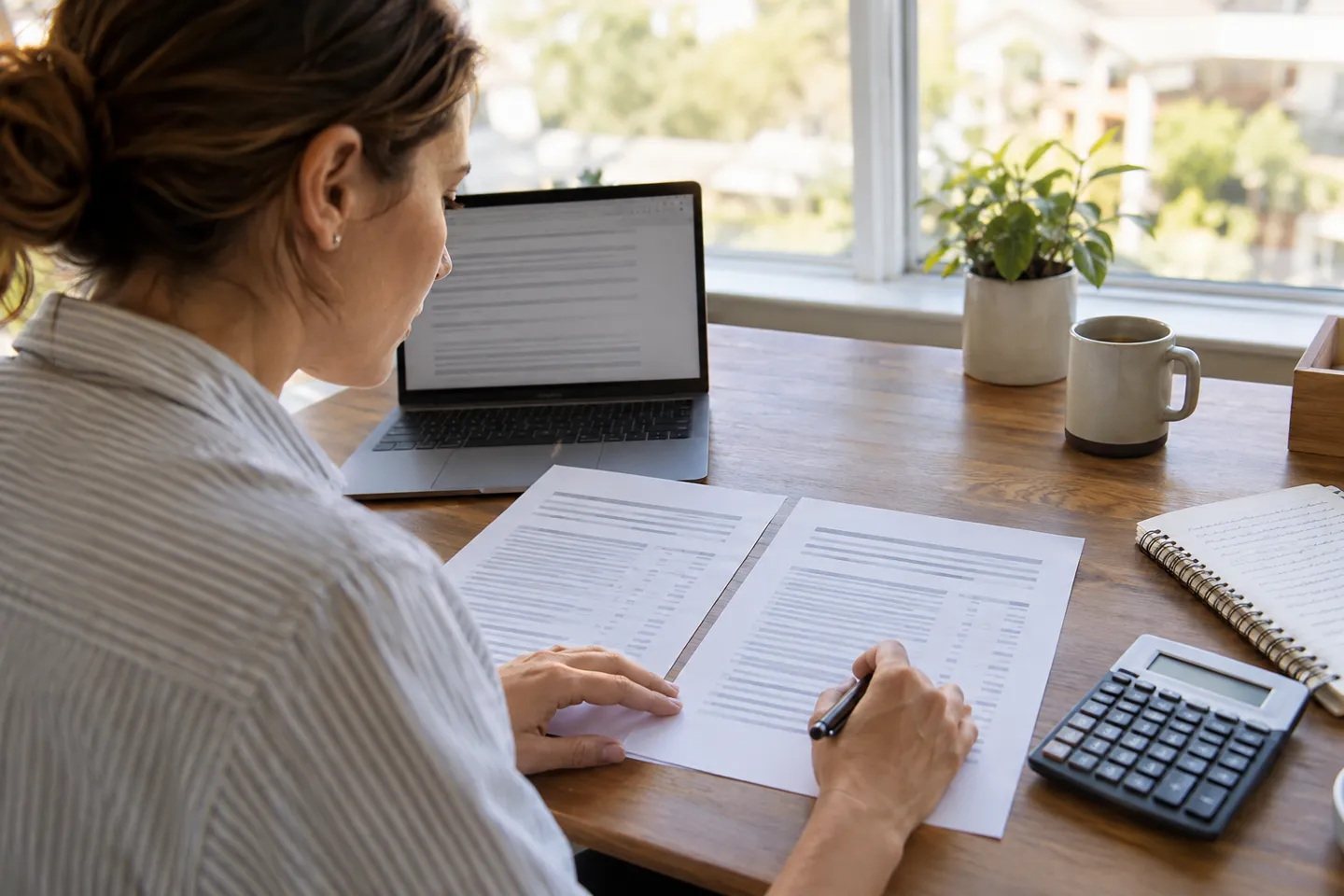
Ask for documents with the quote, not after it. Suppliers who can produce certificates for the exact models quoted, and who answer patent questions in writing, are telling you something about how the next twelve months will go.
Put this checklist to work on a real request: send Startinal your floor area, ceiling height, and target market, and the quote comes back separated by cost basis with documents attached.
Get a comparable quoteWhere Buyers Get Burned: Compliance and After-Purchase Traps
The risks that survive a good price are the ones that show up between contract and customs. Four of them account for most of the damage.
Certification mismatch. A shipment arrives with certificates that do not match the batch. Or a “CE” mark with no directive behind it. Before wiring a deposit, check two things: certificate numbers correspond to the quoted models, and the directives match your market.
Intellectual property. E-commerce sellers typically refuse to proceed unless a design is demonstrably clean, because one infringement claim can take down a listing or an account. Ask for the design’s patent documentation in writing, not a verbal assurance.
Quality and acceptance. The protections are physical and procedural: drop-box testing for packaged goods, production runs compared against the approved sample, and a documented loading record. Agree on who performs each check before production starts, not after a problem.
After-sales terms. A “48-hour replacement” promise made in a sales chat is not a term. The same promise written into the contract is. Put response times, spare-parts availability, and remedy paths into the purchase agreement where they can be enforced.
What This Means for Your Cost Game
Everything above was written from the buyer’s side of the table. Turn it around and it becomes a playbook for the supply side. A growing market keeps delivering new buyers, and those buyers arrive holding exactly the contradictory numbers from part one. The family entertainment center market is projected to climb from $34.57 billion to $47.93 billion by 2031 (Mordor Intelligence, 2026). For distributors and wholesalers, that growth is a steady stream of first-time buyers. Each of them is trying to reconcile a $35,000 median with an $800,000 business plan that both claim to describe the same product.
In that market, the trust currency at quote stage is transparent cost basis. A distributor who answers with three columns (equipment FOB, delivered, installed), plus certification and patent documentation attached, wins comparisons that a lowball single number loses. And stocking modular play equipment on low minimums lets a cautious buyer test their market before committing to a container.
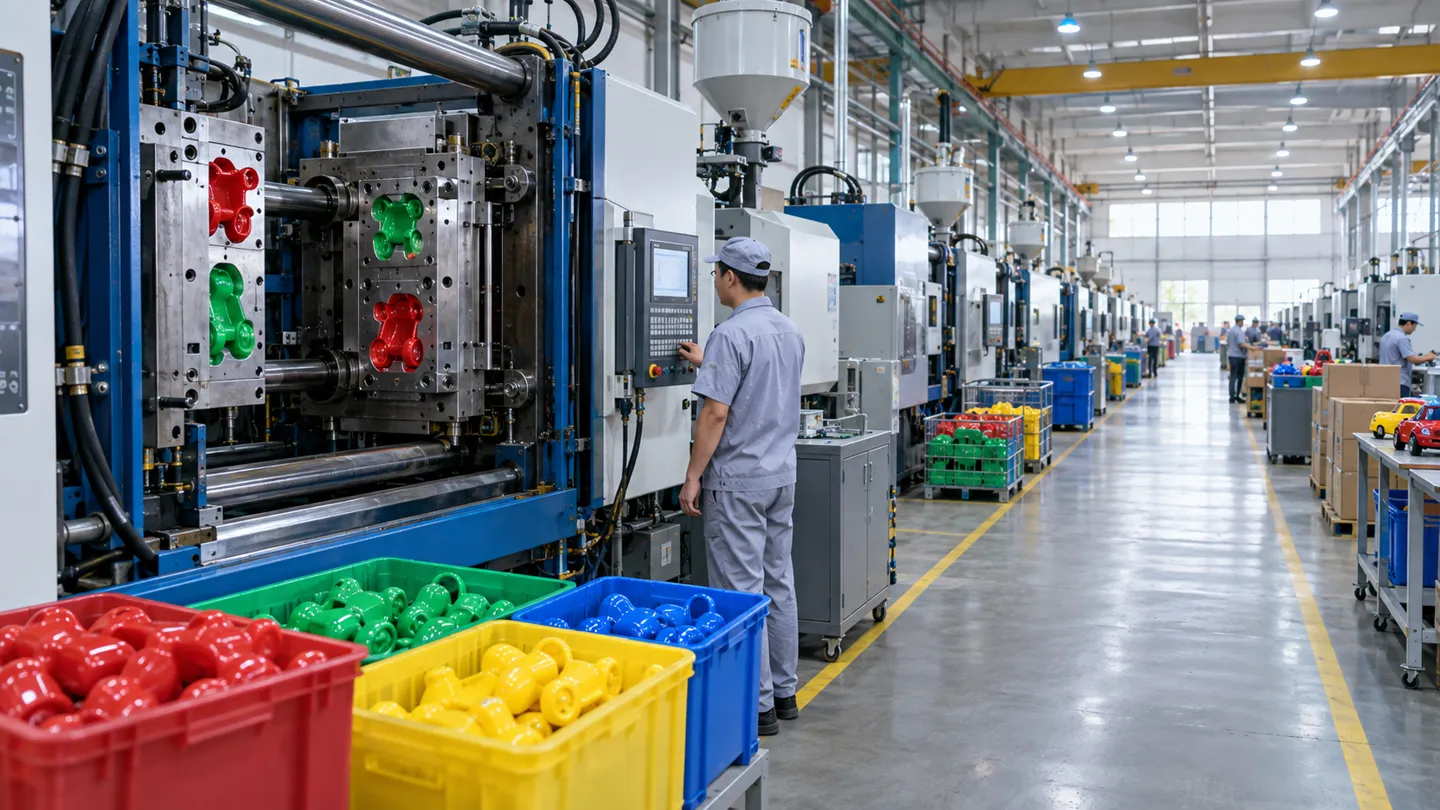
We run our own quotes this way. Startinal manufactures soft play and indoor playground equipment alongside active play lines in a 10,000㎡ factory in Wenzhou’s toy cluster. Our quotations separate the cost bases described in this article rather than burying them. In-stock items ship in 1–7 days. Samples leave in 3–5 days. Light customization (color, logo, packaging) runs 15–25 days. Standard products carry no MOQ, so a new distributor can test a market with stock modules before scaling into custom runs. Custom orders work on flexible MOQs, priced to the actual quantity.
If you want to put this article’s checklist to work, start with a supplier who quotes by basis and documents by default. Startinal holds CPC, CE, ASTM F963 and EN71 compliance with a BSCI-audited facility, and we are glad to be the comparable quote in your spreadsheet.
Make the next quote the comparable one
Basis-separated pricing, certificates for the exact models quoted, and stock modules with no MOQ for a first market test.
References
- ROLLER. “Indoor Playground Business Plan & Startup Guide.” 2026. roller.software
- Michele Caruana. “How Much Does It Cost to Open an Indoor Playground?” 2019. michelecaruana.com
- Michele Caruana. “Are Indoor Playground Businesses Profitable?” 2026. michelecaruana.com
- Kids Avenue Playground. “How Much Does It Cost to Book an Indoor Playground Party?” 2026. kidsavenueplayground.com
- Mordor Intelligence. “Family Entertainment Center Market Size & Share Analysis.” 2026. mordorintelligence.com
- Reddit, r/smallbusiness. “Laid Off and Trying to Start a Kids Indoor Playground.” 2025. reddit.com
- Reddit, r/workingmoms. “Talk Me Out of Starting My Own Indoor Playground Business.” 2024. reddit.com