What Sensory Play Actually Is (and What the Hype Gets Wrong)
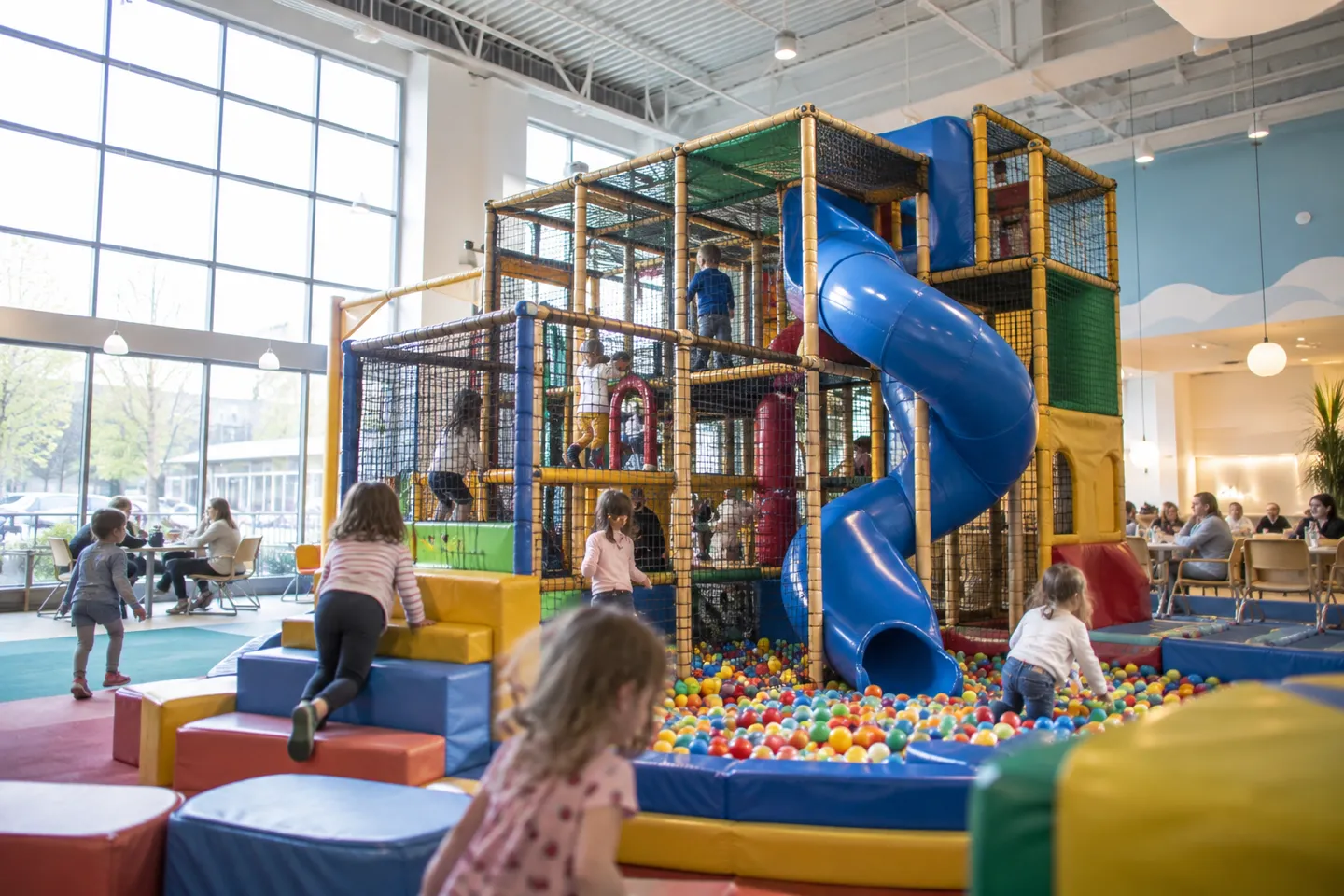
Sensory play is any activity that lets a child’s senses do the work: hands buried in rice, feet hunting for balance on a wobbly surface, a body spinning until the room tilts. The child is not just making a mess. They are collecting input and practicing responses to it.
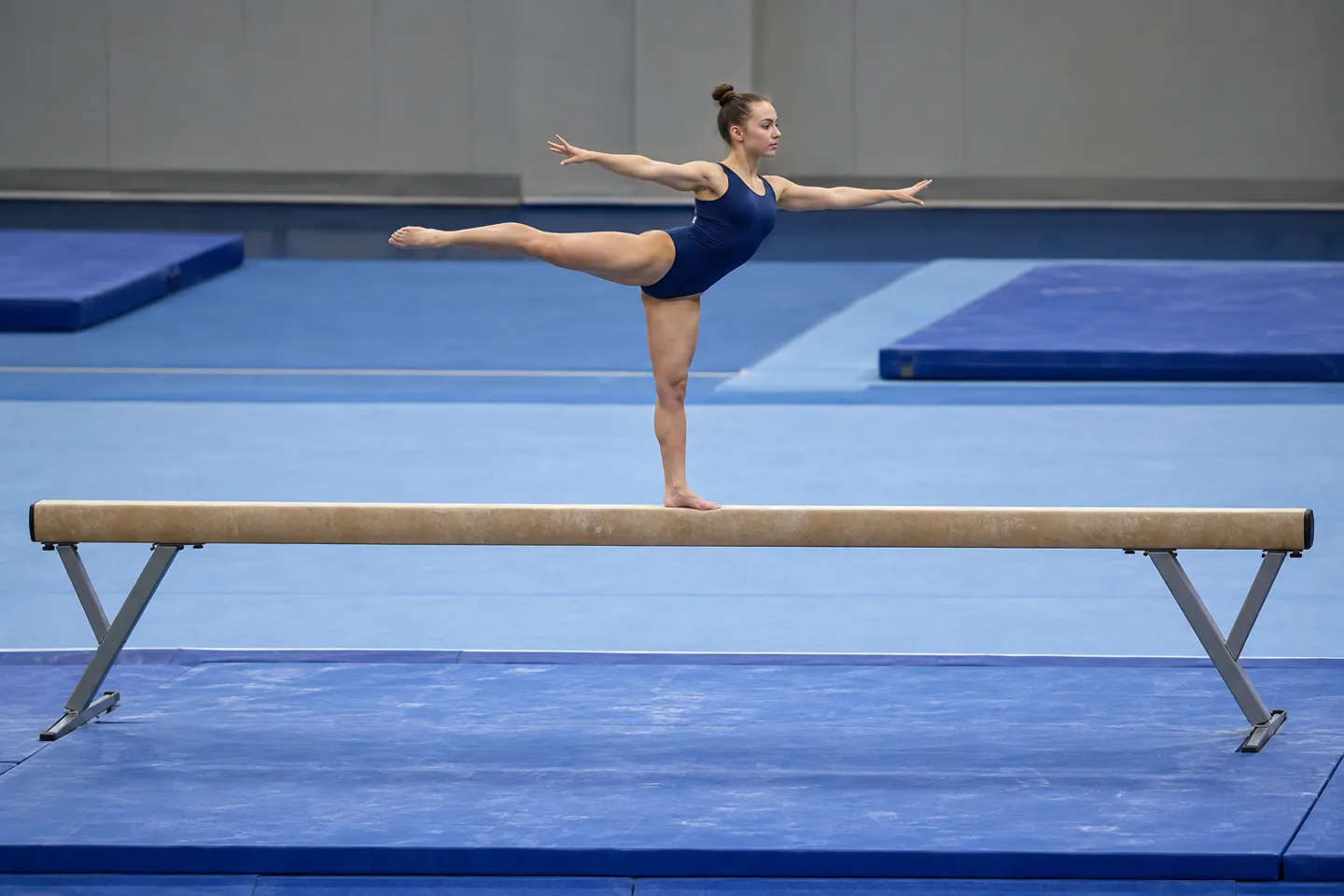
Three channels matter most. Touch is the obvious one, and most sensory bin ideas live there. The other two get less attention. Movement is the inner-ear sense that tells you you’re tipping or spinning. Body awareness is how a child knows where their arms and legs are with eyes shut. A good week of play touches all three, in different ways.
The honest version of the benefits story is still a good one. Repeated, self-directed play builds balance, grip strength, hand control and the ability to settle after big feelings. What it does not do is rewire a brain in one afternoon, no matter what the reel caption promised. Skeptics also have a point that a walk in the woods delivers rich input for free. What a walk cannot give is the same challenge on repeat, and repetition is what turns input into practice. That is the case for sensory play: not magic, just practice that feels like play.
Here is the lens this guide uses. The phrase “sensory play ideas” covers everything from a three-dollar bag of rice to a set of stepping stones that survives five school years. Those are not the same purchase, and mixing them up is why budgets break. So the sections below sort ideas by how long the materials last, starting where everyone starts, with the cheap layer, because cheap has costs of its own.
The Cheap Layer: Pantry Fillers and Their Real Cost
The pantry is the traditional entry point, and the endless activity lists online make fillers look interchangeable. They are not. Price is nearly identical across the shelf; the cleanup cost and the age fit are not. Those two columns decide whether an idea gets played with twice or becomes a weekly habit.
Dry fillers: rice, beans, pasta, oats ⭐
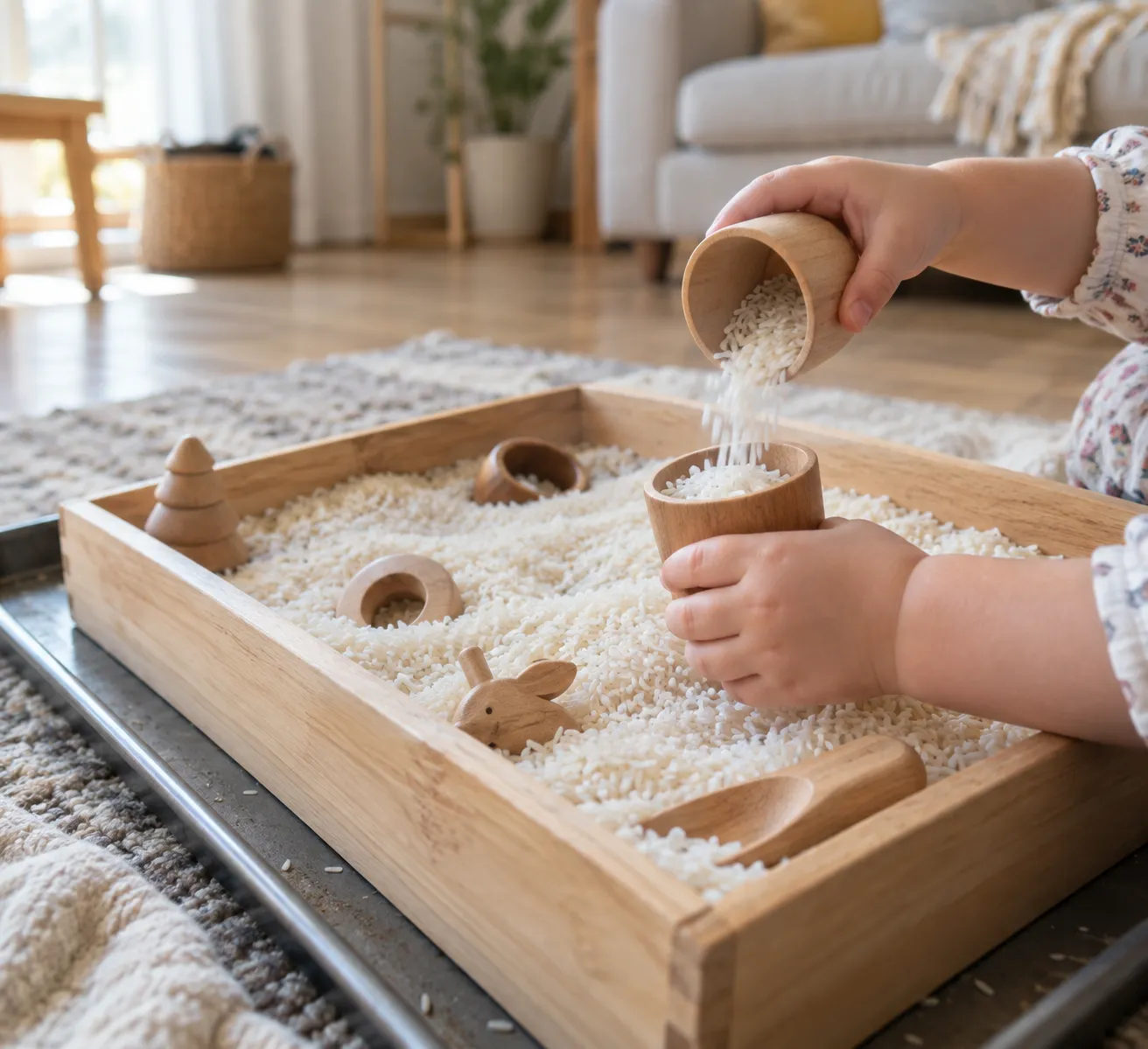
A bag of rice, a baking tray and a few cups are the classic first sensory bin. Scooping, pouring and burying small toys keep toddlers busy far longer than the setup time suggests. Dry spill sweeps up, which makes this the cheapest mess in the whole category.
The boundary is the mouth. Dried beans are a choking hazard for children under three, and rice is not much better for a child whose default setting is “taste it”. For that stage, use taste-safe versions instead: cooked spaghetti, dry cereal, oatmeal and water. Anything past the mouthing stage can graduate to the pantry shelf. Sealed in a tub between sessions, a bag of rice stays usable for months, which is why this layer earns its keep.
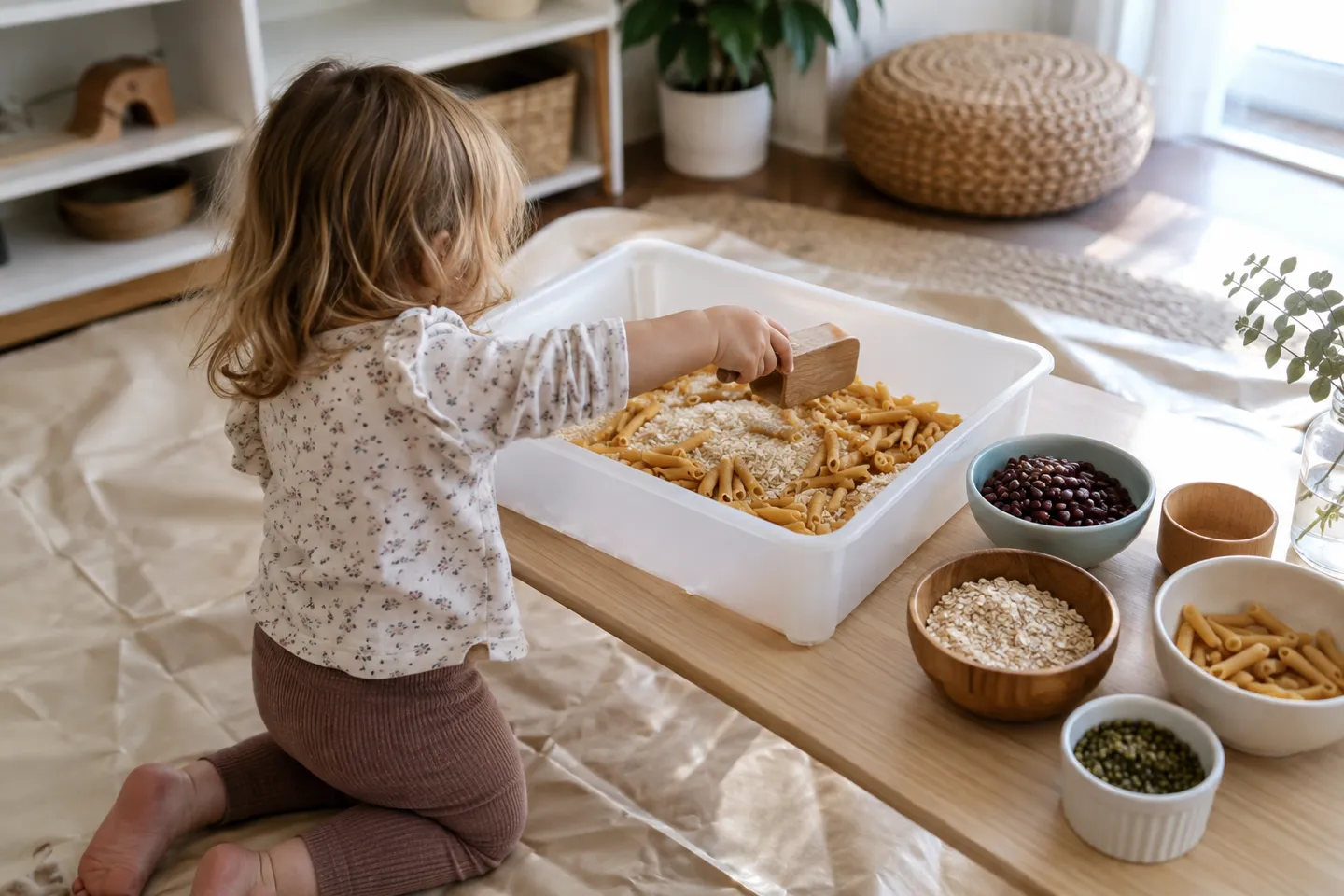
Wet and foamy: water, ice, shaving foam, oobleck
Water is the strongest sensory input available at any price. A tub of it plus cups and a towel keeps young children working for an hour, and the input cost is nothing. The cost moves to cleanup: floors, sleeves, and the slip hazard that appears the moment everyone stands up. Never leave water play unsupervised; a few inches is enough to drown a toddler.
Ice slows the whole thing down and adds temperature to the mix, a rare input for the price of freezer space. Shaving foam delivers big texture fast, but test a patch of skin first, since some children react to it. Oobleck, a two-to-one mix of cornstarch and water, fascinates nearly every age. Keep it in the bin, and keep the bulk of it out of the drain, where it settles into a clog.
The trouble shelf: water beads and kinetic sand
Water beads are the category’s documented hazard. Swallowed, they expand inside a child and can cause choking or intestinal blockage; the CPSC keeps a dedicated information center on them (U.S. CPSC, 2026), and in 2026 a federal safety standard took effect limiting how large bead toys may expand (U.S. CPSC, 2026). Plenty of programs still run them under tight supervision. My own call for home use is simpler: skip them, because no bin activity justifies that failure mode, and nothing they offer is unavailable elsewhere.
Kinetic sand is the category’s paradox rather than its hazard. One parent thread opens with “TLPT: Don’t buy Kinetic Sand” and describes it reaching “between toes, in your bed” (Reddit, r/toddlers, 2023). Another parent, in the same community, calls it something that “sucks to clean up but there isn’t anything else like it.” Both are right, and that is the honest review. The boundaries that make it livable: contained table only, never a carpeted room, and agree on the cleanup routine before the package opens, not after.
| Material | Play value | Cleanup cost | Minimum age | Watch-out |
|---|---|---|---|---|
| Rice, dry beans, pasta | Scoop, pour, bury toys | Low, sweeps dry | 3+ (taste-safe versions earlier) | Choking under 3; use taste-safe swaps |
| Water, ice | Strongest input, highest repeatability | Medium, floors and sleeves | 1+ with supervision | Never unsupervised; slip risk |
| Shaving foam | Big texture, fast | Medium, sticks and smears | 2+ | Skin sensitivity patch test |
| Oobleck (cornstarch) | Weird and absorbing | Medium-high, dries hard | 2+ | Keep out of the drain |
| Water beads | Novel visual and tactile | High, scatters and bounces | Not for home use under 5 | Ingestion and insertion hazard (CPSC) |
| Kinetic sand | Molding that holds | High, grains travel | 3+ | Contained table only; never carpeted rooms |
The cheap layer answers what to play with today. The next question is how to keep it from taking over the room.
Small Tools That Keep the Mess Survivable
Shrink the cleaning surface before the play starts. A shower curtain or tarp under the bin turns a floor cleanup into a lift-and-shake. A baking tray keeps the bin portable; an inflatable tub or the bathtub itself moves the whole problem to a place that is already waterproof. Outdoors, grass is the only cleanup surface that regenerates for free.
Then shrink the portion. Scoops, funnels, tongs, measuring cups and a muffin tin are toys and traffic control at once. A child busy transferring half a cup of rice is not launching the whole bag. Small portions mean small disasters. Lidded boxes finish the job: the bin opens for play and closes for the space between.
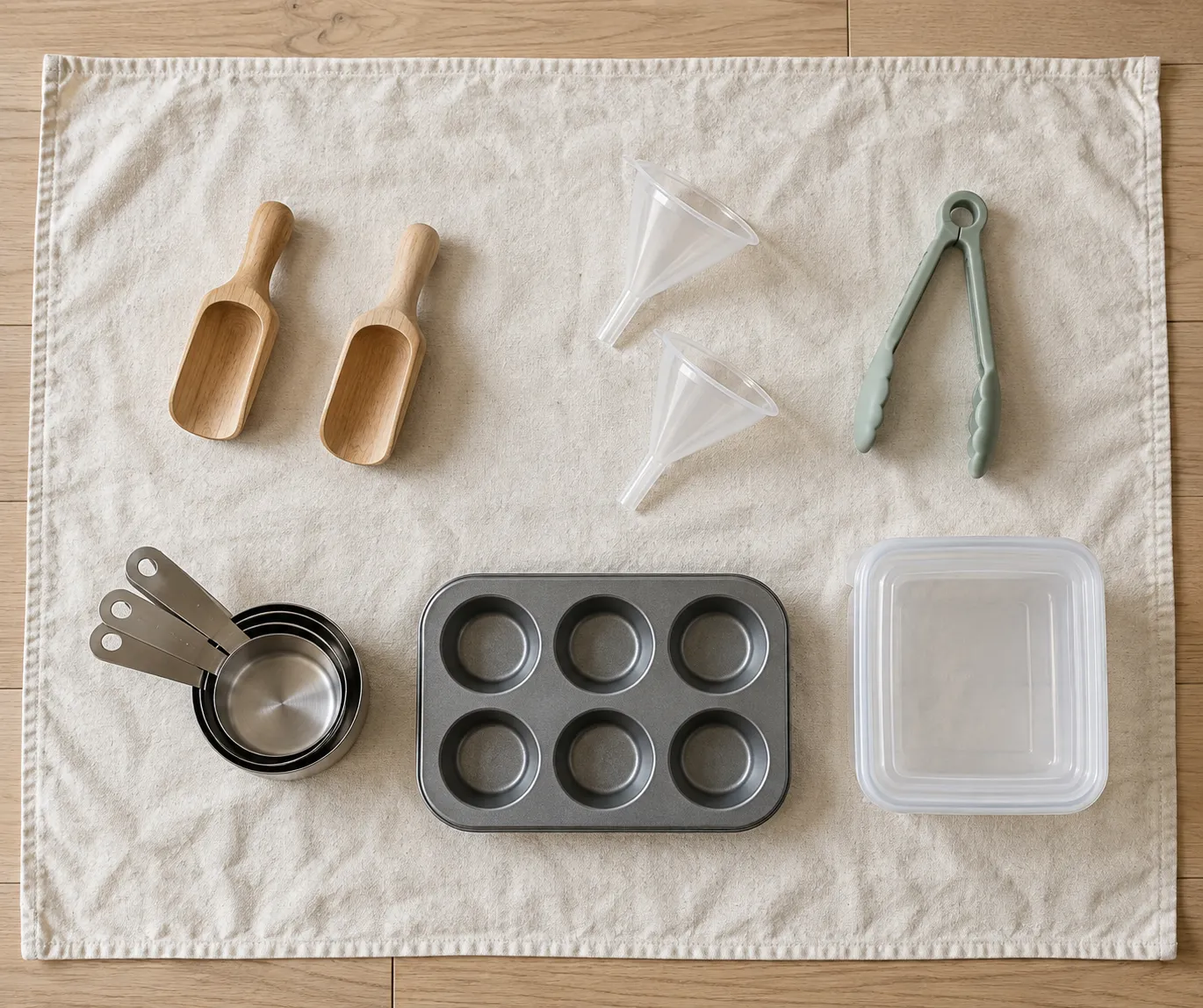
Close the loop while everything is already in motion. Dishwasher-safe containers go straight in. Each dry filler returns to one labeled, sealed tub. Wet gear lands in a single bin to dry, so nothing spreads.
Teachers run the same logic at larger scale. Public school teachers describe being handed “a list of required centers” for their rooms, “one of them is a sensory center”, usually without a matching budget (Reddit, r/ECEProfessionals, 2023). One storage tub per center, rotated on a shelf, is the classroom version of the same rule. And for both homes and classrooms, part of survivability is knowing when an activity has outgrown disposable materials.
Equipment Worth Buying Once
Some activities pass the novelty test and become daily habits. For those, consumables turn out to be the expensive option, because the paying never stops. Equipment asks once. What follows is the durable layer of sensory play, organized by the kind of input it delivers. Each section carries the failure boundaries that decide whether a piece lasts years or one season.
Balance and stepping ⭐
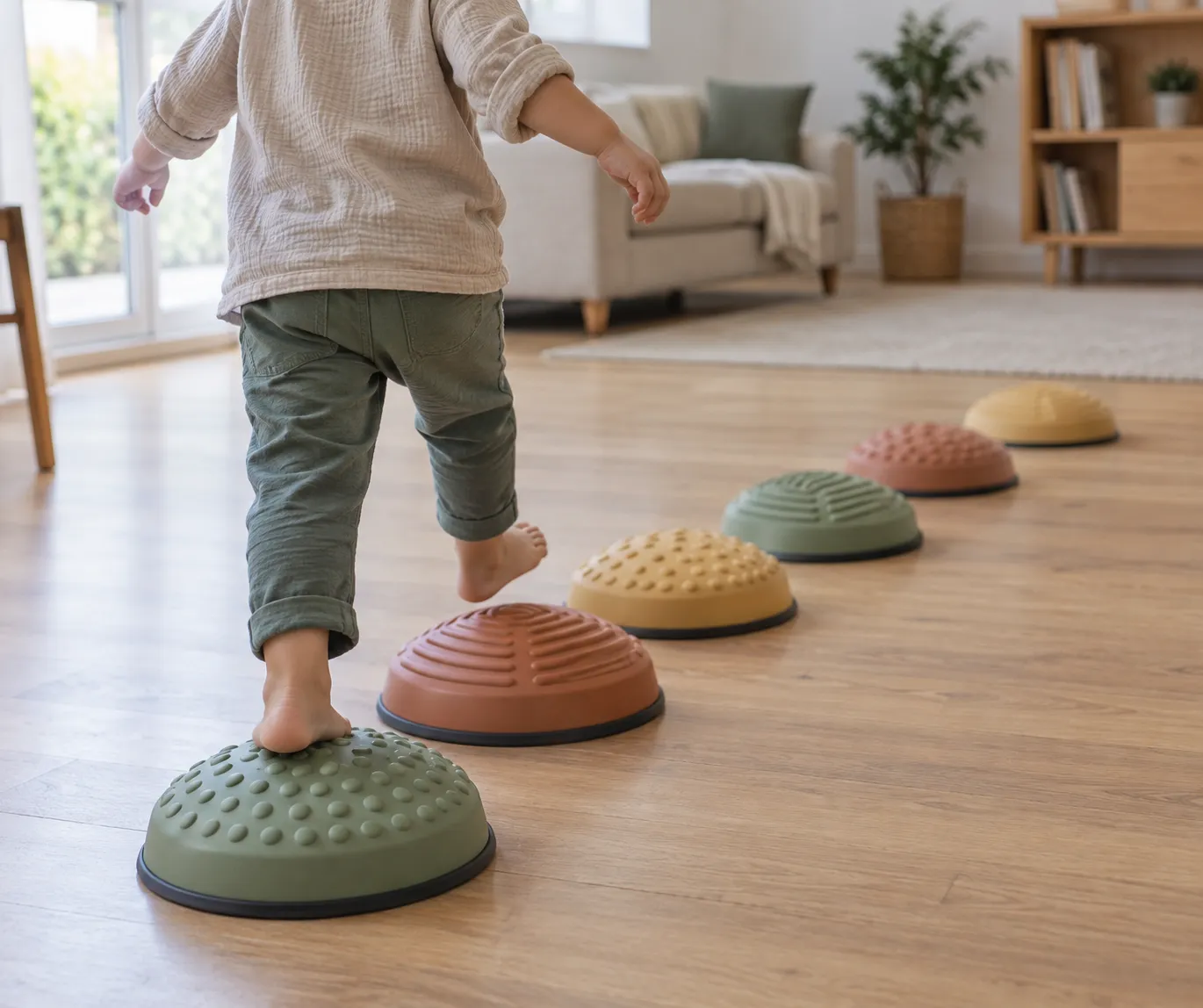
Stepping stones, balance beams, rockers and stepping buckets are the activities most often recommended as DIY lines of tape or couch cushions. The equipment version earns its price for two reasons. Heights are fixed and predictable, so a wobble ends in a step down instead of a fall. Textured surfaces under bare feet are the actual sensory payload, which tape cannot supply. Rubber anti-slip bases matter on hard floors, and stackable designs decide whether the set lives in a closet or a landfill.
The boundaries are physical. Check the age and weight rating before purchase, and again before an older cousin demonstrates. Wet or freshly waxed floors defeat rubber bases, so indoor sets need dry floors and a quick scan for cracked pieces. At home, a six-stone set covers a living room course. In a classroom, ten or more keeps a line of children moving instead of waiting, and waiting children find their own entertainment.
Spin and swing
Spinner seats, rocking arches and rolling toys deliver the movement channel that bins cannot. This is often the input that settles a busy child rather than winding them up, and special education classrooms rank spinning equipment among their most-used tools. A child-powered design beats an adult-powered one, because control is part of the therapy: the child learns to dose the input.
The boundary is the child, not the gear. Pallor, nausea or a child who keeps asking to stop means stop; some nervous systems read spinning as threat. Check that the base is stable on your floor and that the rotation space is clear. In small rooms, a rocking arch that doubles as a bridge or a store counter earns its footprint twice.
Deep pressure and texture paths
Weighted bean bags, tactile paths and foam blocks cover the calming end of the spectrum. Heavy work, meaning pushing, carrying and squeezing, helps some children settle, and texture paths turn a hallway into a sequencing game for bare feet. In infant and toddler rooms, soft play blocks take falls out of the equation entirely.
Boundaries here are about intensity and hygiene. Weighted items should stay light enough for the child to remove them without help, always. Shared surfaces need wiping down, so a wipe-clean cover is a purchasing requirement, not a preference. Seams, foam density and zipper covers decide whether a soft play set handles daily group use or starts shedding in month two.
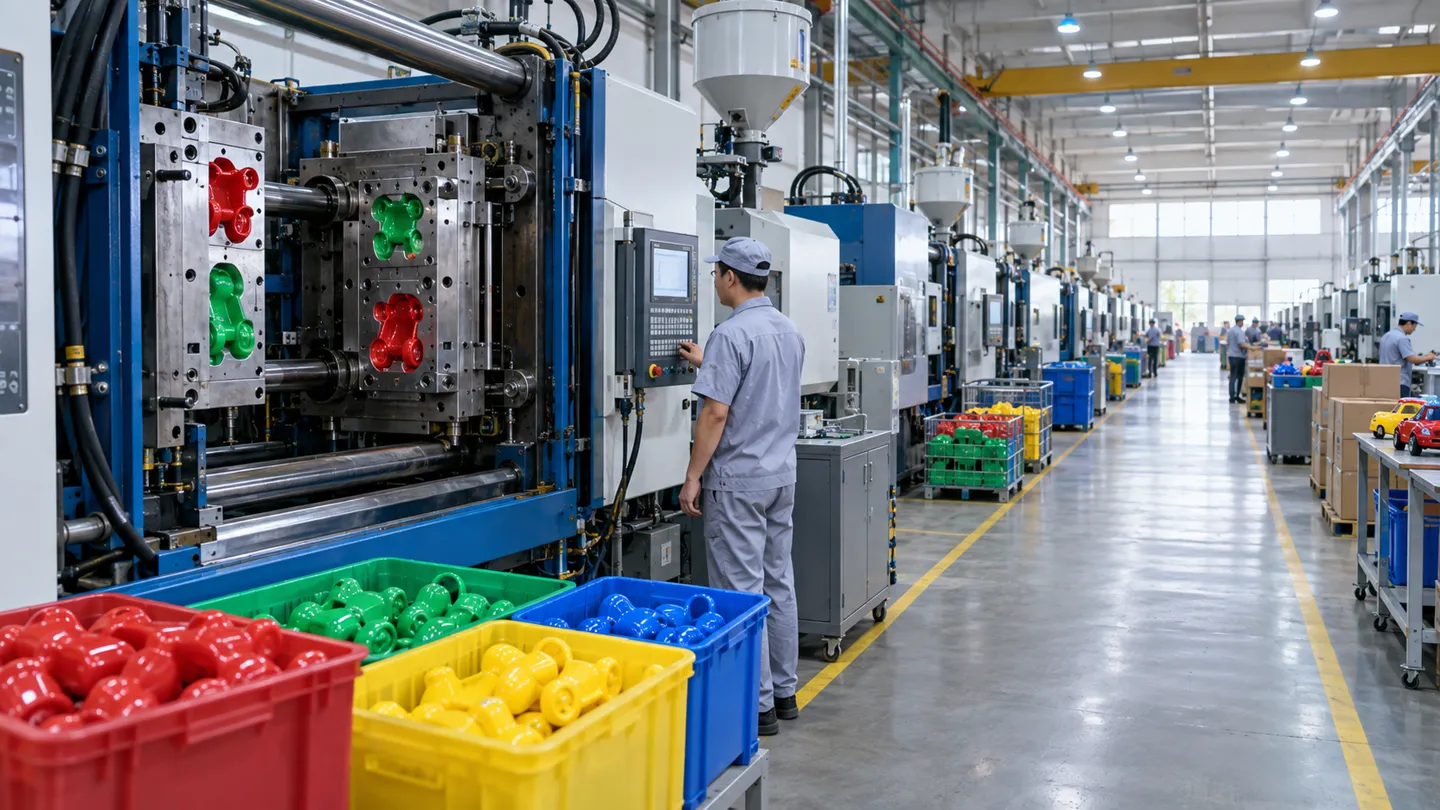
The same logic extends outdoors: rotational-molded sensory paths and weather-resistant courses are the playground version of this layer, common in institutional bids. That is a separate purchase with its own paperwork, but it belongs on the same map.
| Equipment type | Works best in | Fails or turns unsafe when | Check before buying |
|---|---|---|---|
| Stepping stones and river stones | Living rooms, classrooms, therapy paths | Wet or waxed floors; users over the weight rating | Weight and age rating; base grip; stackable storage |
| Balance beams and rockers | Home corners, classrooms | Rooms with no fall space around them | Base stability; rounded edges |
| Spinner seats | Therapy rooms, special education classrooms | Vestibular-sensitive children without a stop signal | Child-powered rotation; base; clear rotation space |
| Tactile paths and stepping buckets | Classrooms, hallways | Slippery floors; unclear shoe policy | Texture durability; sanitizing method |
| Soft play sets | Infant and toddler zones | Older, rougher siblings | Foam density; wipe-clean cover; zipper safety |
Cheap materials test ideas. Equipment runs the ones that survived the test. The last question before buying is knowing when to make that call.
When to Switch from Consumables to Equipment
Three signals say it is time. The first is re-ordering: the same filler goes into the cart every single term. The second is repetition with a fixed slot: an activity has stopped being “an idea” and become a station that runs every week. The third is queuing: children wait for one item while the shelf of finished novelties sits untouched.
The reverse boundary matters just as much. Do not switch when the space cannot fit the piece. Do not switch while the interest is still a first-week experiment, either. Consumables exist precisely to test ideas cheaply. Equipment bought on a first-week enthusiasm becomes the most expensive clutter in the room.
The market around this decision is growing on both sides. The global market for children’s sensory toys, worth USD 2.2 billion in 2023, is projected to reach USD 4.8 billion by 2031, an 8% compound annual growth rate (Verified Market Research, 2026 report). Growth at that pace comes from homes and institutions together, which has one practical meaning for a buyer: the durable layer keeps gaining new entrants, better designs and sharper prices. Waiting does not improve the options; vetting does.
How to Vet Equipment Before You Buy
Start with materials and build, asked as questions with checkable answers. What exact plastic and finish is used; is the food-grade claim on the specification sheet or only the listing; is the anti-slip base included or an accessory. Then run three physical checks on any sample. Press an edge or corner, tilt the piece on the actual floor it will live on, and flip it to see the underside. Hands find what listings hide.
Next, the paperwork, because certificates are the part of quality you can verify from a desk. In the United States, toys for children 12 and under must be third-party tested against ASTM F963, the mandatory toy safety standard, and ship with a Children’s Product Certificate (U.S. CPSC, 2026; U.S. CPSC, 2026). In the European Union, the Toy Safety Directive 2009/48/EC sets the safety rules, and the EN 71 harmonised standards carry the technical detail (European Commission, 2026). CE marking is the visible result. Ask for certificate numbers you can look up, not logo images.
Then interrogate the duty cycle. Classroom use means many hands per day for years. Three questions do most of the work: how does this sanitize, is there drop or load testing behind it, and do spare parts ship. A piece that cannot answer the first question is a home product wearing a school badge.
Finally, logistics, because the cheapest quote that arrives late or split into five shipments is not the cheapest. Confirm minimum order quantities, stock lead times versus made-to-order ones, and whether mixed items can consolidate into one shipment.
Reading the Budget Like a Program Director
The activity list itself is free now. Any AI produces fifty sensory play ideas on request, and every program has the same access. What separates programs is not the ideas. It is the account behind the materials, and most sensory budgets are structured by accident.
A pantry-filler budget is a subscription wearing a low price. The rice comes back every term, the risky shelf carries hidden costs in cleanup time and safety overhead, and the spending never builds anything. Nothing in that account appreciates.
The durable layer behaves differently. Equipment prices look heavy in month one and lighter every year after, because a set that survives five school years costs less per session than restocking consumables. When funding flows through tenders or grants, certificates and test reports are part of the product itself; verifiable paperwork is what turns a wishlist into approvable budget lines.
The boundary case is the small program. Tight rooms should start with the movement layer, stones and beams, which store in a shelf and earn daily use. Postpone bulky soft play until space and funding both exist. And a note for home readers: this accounting is not yours. Families should stay in the cheap layers, where the whole point is testing ideas for pocket change.
The practical move costs nothing extra. Shift one line item per term: the re-bought filler budget becomes a sinking fund, and once a term it buys one durable piece. Run that for two years and the program owns its core equipment outright, bought from operating budget. A market growing at 8% a year makes each purchase easier to justify than the last.
| Layer | Cost behavior | Re-buy cycle | Best fit |
|---|---|---|---|
| Pantry fillers | Low price, repeated forever | Every term | Homes; testing new activities |
| Small tools | Low, occasional top-ups | Yearly | Any setting that runs messy play |
| Durable equipment | High once, then amortizing | Every few years | Classrooms, therapy rooms |
| Program sets with compliance packs | Highest, approvable | Tender and grant cycles | Funded institutions with reporting duties |
Activity ideas are free, and they should be. The materials are not, and now the account behind them is legible.
If you want a real catalog to run the vetting checklist against, Startinal publishes its full sensory play range, with the CE, CPC and BSCI certificates behind it, on every product category page.
References
- U.S. Consumer Product Safety Commission. “Water Beads Information Center.” 2026. cpsc.gov
- U.S. Consumer Product Safety Commission. “CPSC’s New Federal Water Beads Safety Standard Takes Effect to Protect Children from Deadly Hazard.” 2026. cpsc.gov
- Verified Market Research. “Sensory Toys for Children Market Size and Forecast.” 2026. verifiedmarketresearch.com
- U.S. Consumer Product Safety Commission. “Toy Safety Business Guidance.” 2026. cpsc.gov
- U.S. Consumer Product Safety Commission. “Children’s Product Certificate.” 2026. cpsc.gov
- European Commission. “Toys.” 2026. single-market-economy.ec.europa.eu
- Reddit, r/toddlers. “TLPT: Don’t Buy Kinetic Sand.” 2023. reddit.com
- Reddit, r/ECEProfessionals. “Sensory Center Materials?” 2023. reddit.com